
Lo digno de ser visto: Conversación con Augusto De Luca sobre su más reciente obra, «Armageddon»
Con Juan Pablo Torres Muñiz
La aparente neutralidad del registro documental encubre siempre una decisión: qué encuadrar, qué excluir, sobre qué detener la mirada el tiempo suficiente para que el objeto deje de ser mero dato y se convierta en pregunta. La fotografía que se pretende fiel a lo real —esa que se ofrece como testigo silencioso, como acta de comparecencia del mundo— opera en realidad una institucionalización de lo visible: fija jerarquías, naturaliza ausencias, consagra. Augusto De Luca, napolitano de 1955, formado en derecho y devenido fotógrafo en la década de 1970, ha trabajado durante décadas precisamente en esa línea de falla. Escenifica el extrañamiento de nuestra propia presencia en el mundo, esa distancia irreductible entre lo que somos y lo que las instituciones de lo real —la familia, el trabajo, la ciudad, el archivo— han decidido que seamos.
Las imágenes de De Luca operan efectivamente como un pseudo-documento: parecen dar cuenta de algo que estuvo ahí, pero lo hacen de un modo que revela la fragilidad de esa misma presunción. El cuerpo humano no comparece como esencia sino como máscara que se sostiene apenas; la ciudad, despojada de su monumentalidad, se ofrece como teatro de una soledad que no es metafórica sino estructural. Así, toma forma la pregunta por nuestro modo de estar en el mundo, y por las múltiples implicaciones —inmediatas y secretas, colectivas e íntimas—.
Conversamos con él al respecto, especialmente dada la aparición de su más reciente trabajo: Armageddon.
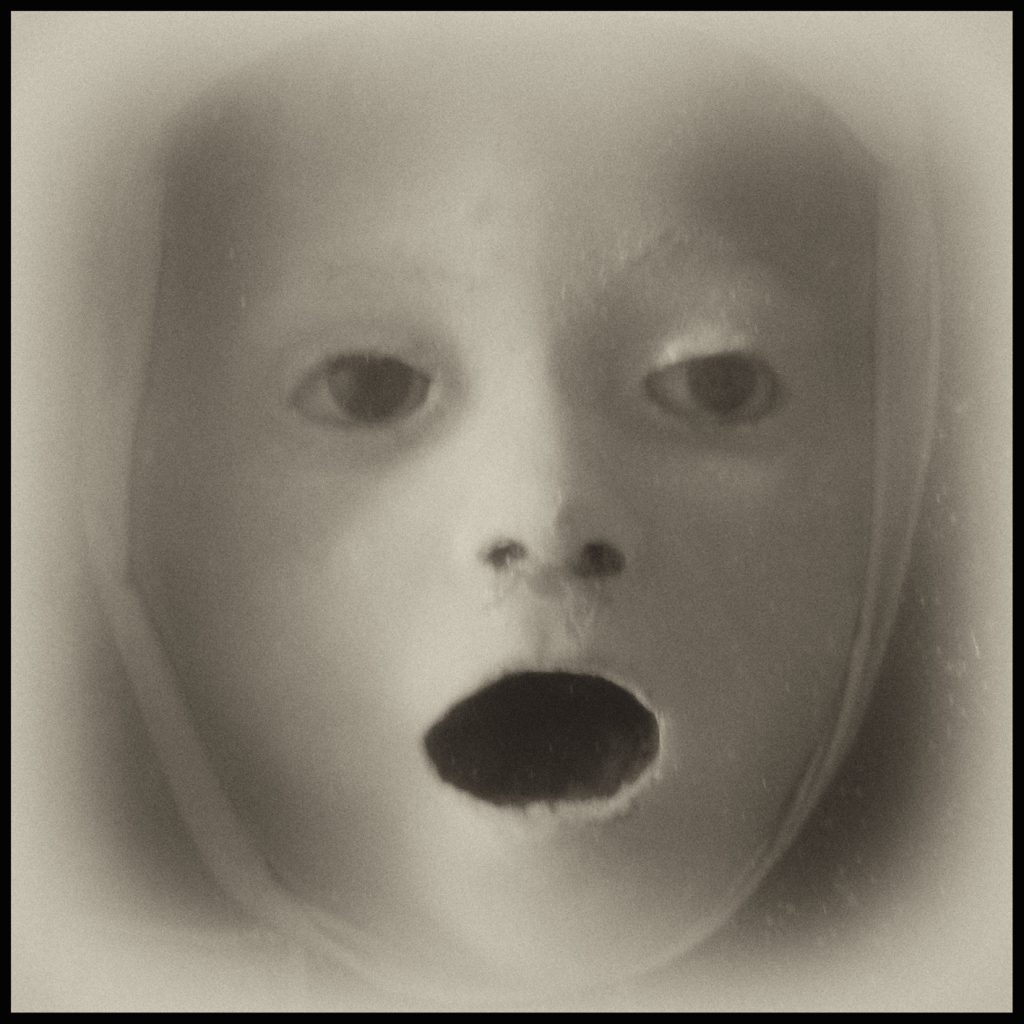
Tener algo que decir… Con frecuencia, uno lo descubre a través de la misma labor, con los materiales en uso, pero también ocurre que alguien lo lleva adentro y decide, entonces, de qué forma y a través de qué medios expresarlo… ¿Cómo llegas a tu forma de arte plástico?
Siempre he llevado dentro de mí la semilla del hombre-madre; la creatividad me ha acompañado en todo momento, aunque se haya manifestado de formas distintas. En mi juventud, me realizaba a través de la música tocando la guitarra, y no fue hasta mediados de los años 70 cuando empecé a fotografiar, casi por diversión. De hecho, en aquella época, un querido amigo mío, aficionado a la fotografía, me invitó a su cuarto oscuro. Cuando entré, inmediatamente me llamó la atención el ambiente; de hecho, solo había encendida una tenue luz roja, que los jóvenes fotógrafos de hoy no conocen, la cual se utilizaba para poder abrir con tranquilidad los paquetes de papel fotográfico sin que se produjera ningún problema. Pero lo que me dejó boquiabierto fue ver aparecer milagrosamente las imágenes en las hojas sumergidas en el ácido revelador. En ese preciso momento me enamoré y vi, sin lugar a dudas, que tenía que fotografiar e imprimir.
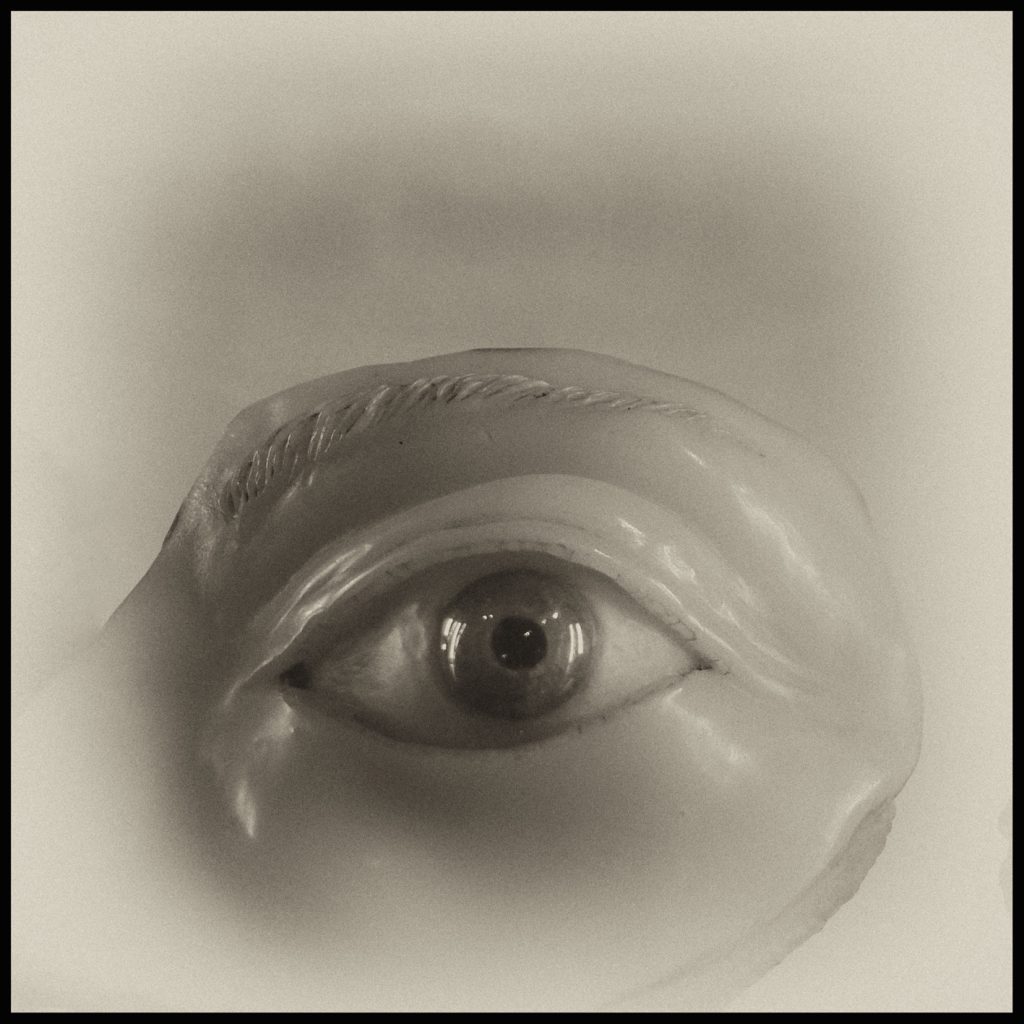
En fotografía, siempre he intentado expresarme con un estilo muy definido, pero utilizando todos los materiales, formatos y géneros, porque quiero descubrir cómo se manifiesta mi creatividad en las distintas circunstancias. He estudiado mucho la fotografía de forma autodidacta, pero también la historia del arte. A diferencia de muchos otros fotógrafos, empecé con el color y luego pasé al blanco y negro, invirtiendo sus posibilidades expresivas; de hecho, utilicé el color para resaltar y subrayar no el realismo de la escena, sino, con encuadres inéditos y estructuras abstractas, mientras que con el blanco y negro representé, en cambio, la realidad, fotografiando diversas ciudades y retratando a numerosos personajes famosos. En pocas palabras, he realzado y eliminado algunas características de cada modalidad expresiva. Con el color, la potencia propia del cromatismo; con el blanco y negro, en cambio, he realzado las formas y las líneas de los sujetos, ofreciendo una lectura más esencial, con el fin de lograr una interpretación más trascendental que hiciera soñar e imaginar al espectador.
Con tu trabajo nos vemos directamente ante cuerpos o representaciones de ellos. ¿De dónde procede esta organicidad? ¿A dónde apunta?
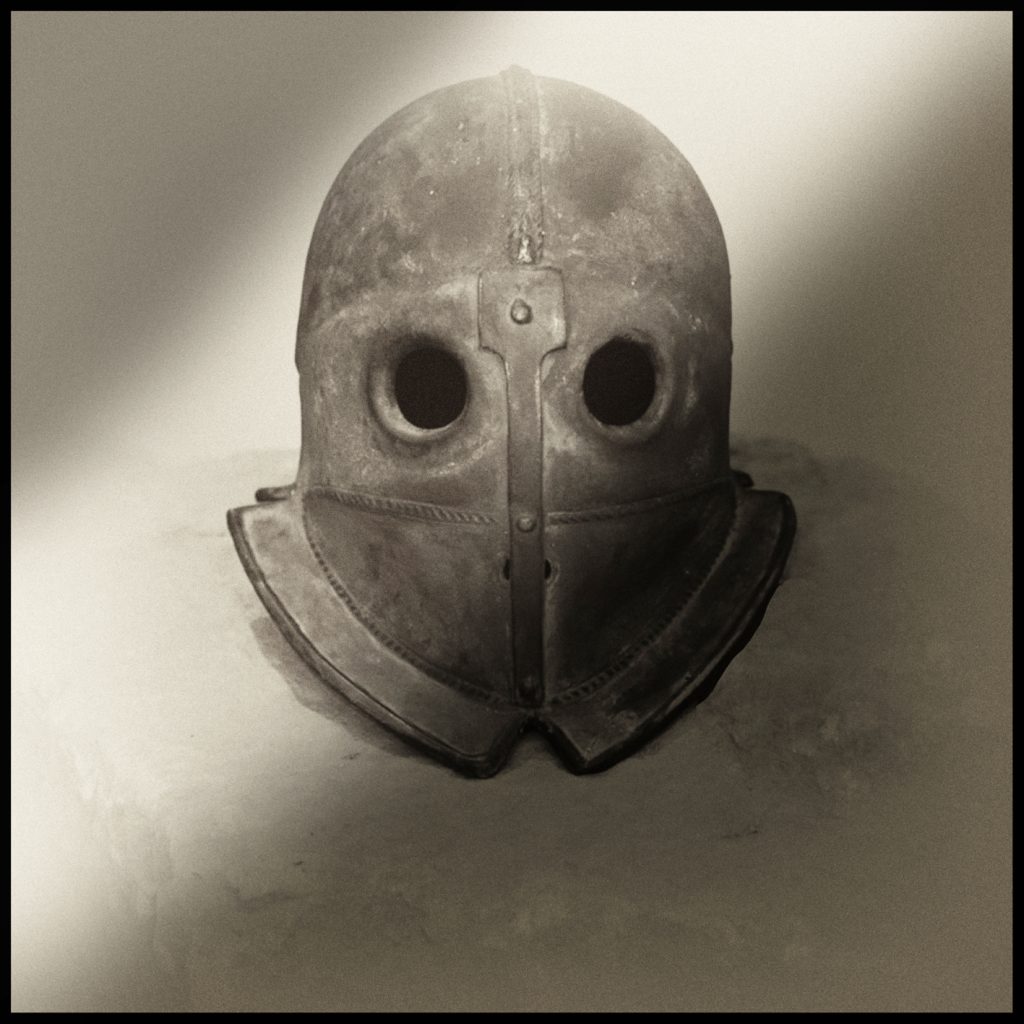
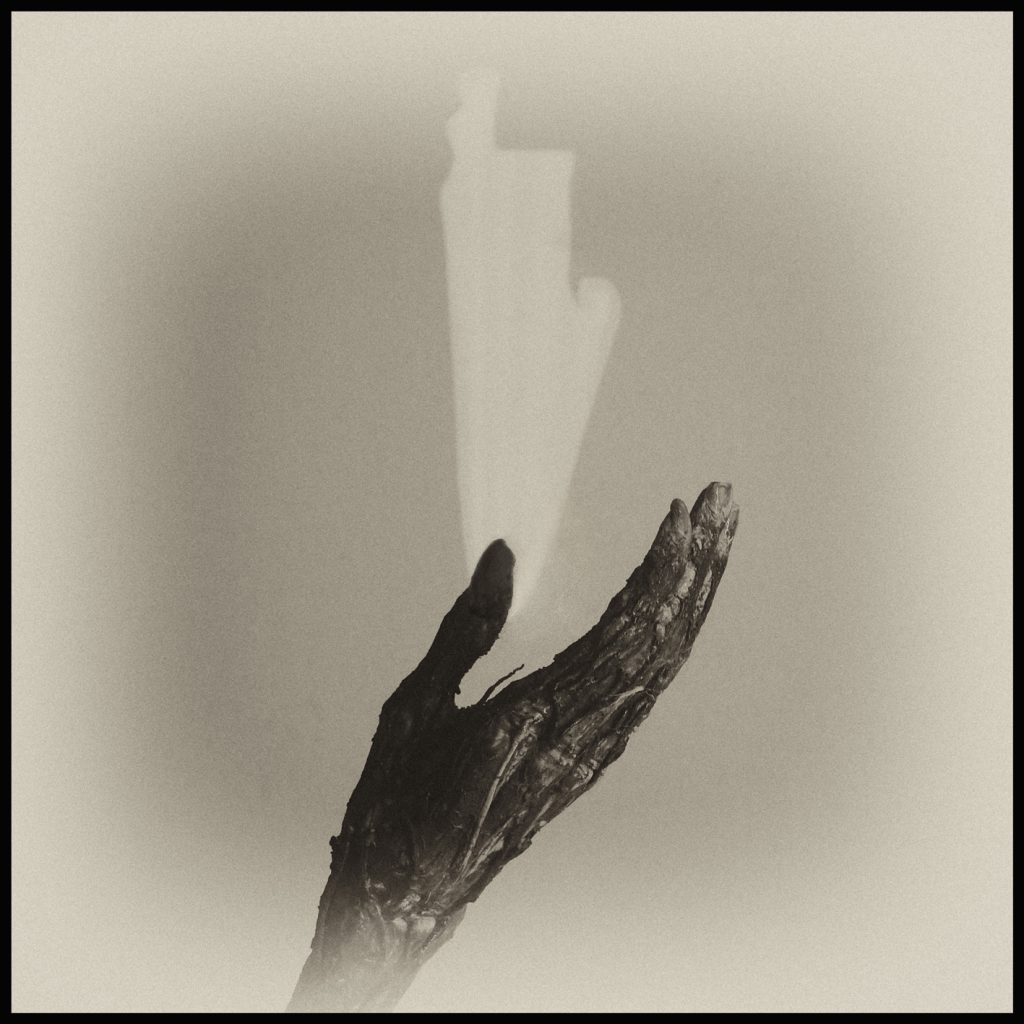
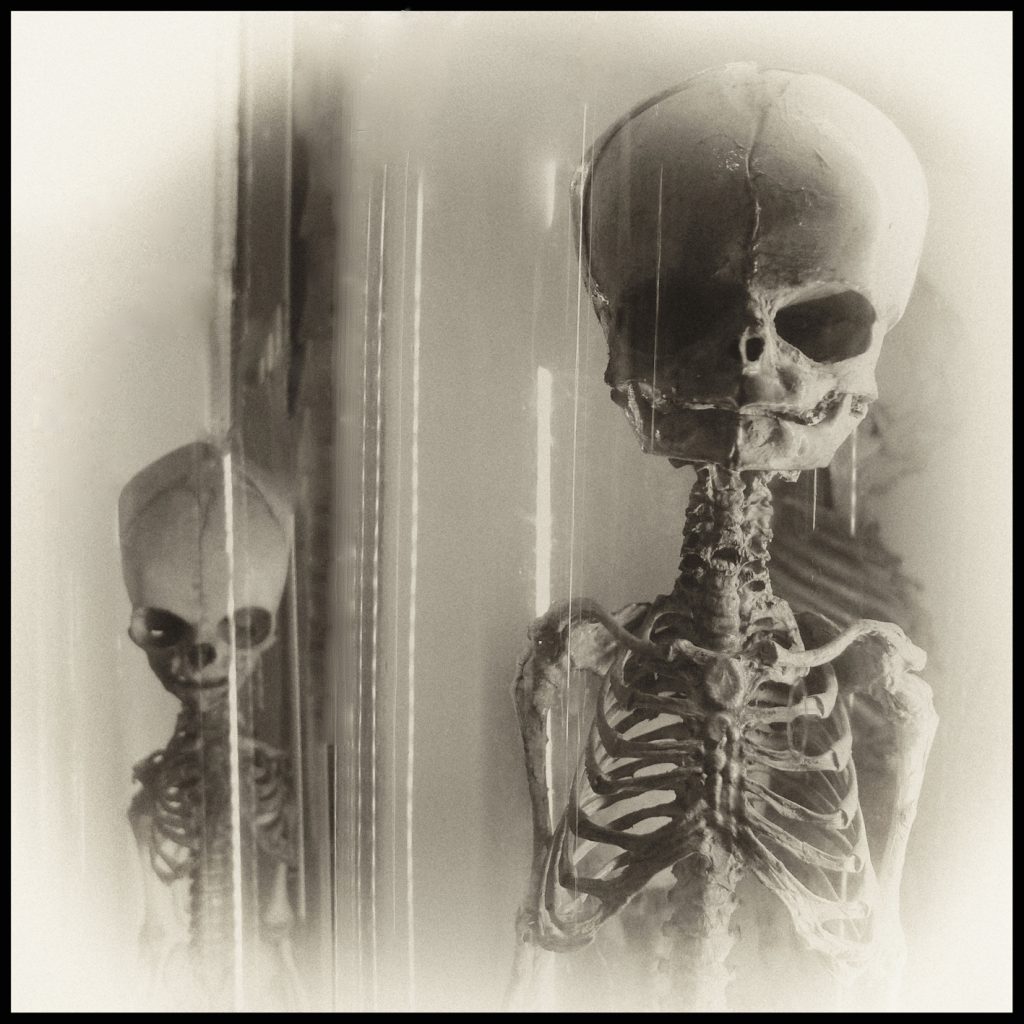
Las partes de cuerpos que he fotografiado, especialmente en mi último trabajo fotográfico, Armageddon, representan simbólicamente el sufrimiento y el dolor a los que se ve sometido el ser humano a causa de los conflictos. Sin embargo, también abordo los conflictos internos de cada quien. Surgen de la complejidad de la naturaleza humana, que se encuentra constantemente en tensión entre deseos opuestos, valores divergentes y la necesidad de adaptarse a un mundo en constante cambio. Esta tensión interna suele manifestarse como una lucha entre la razón y la emoción, entre la ética personal y las presiones sociales, o entre las aspiraciones individuales y las responsabilidades colectivas. Por lo tanto, en el contexto más amplio de la humanidad, estos conflictos también reflejan las dificultades para armonizar la diversidad cultural y las desigualdades sociales, etc.
¿Qué de tu experiencia personal marca la visión que planteas sobre tu temática?
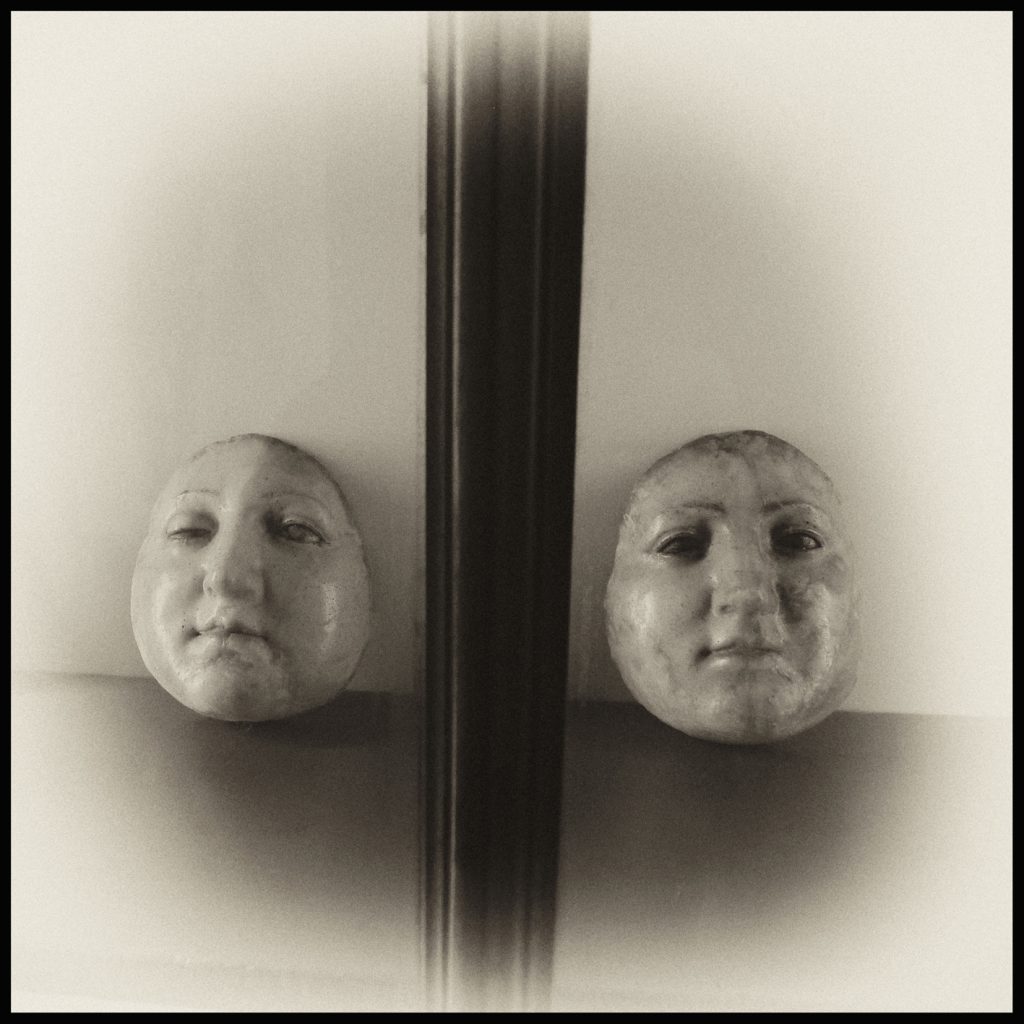
Ese deseo, o más bien esa tendencia a lo metafísico, por lo surrealista… surge precisamente de mi necesidad de soñar, de estar en un mundo más allá de éste. La fantasía, la imaginación y el espejismo siempre han formado parte de mí. Quizás porque, como hijo único, desde pequeño llené mis «espacios» con otras realidades que, de alguna manera, compensaban y llenaban el vacío de compañía par. Este ha sido un entrenamiento continuo y espontáneo que, con el tiempo, también ha derivado en una considerable capacidad para abstraerme, viviendo de forma real mundos y situaciones oníricas e inverosímiles. Confío en que esto se aprecia justamente en mis imágenes, que son el espejo.
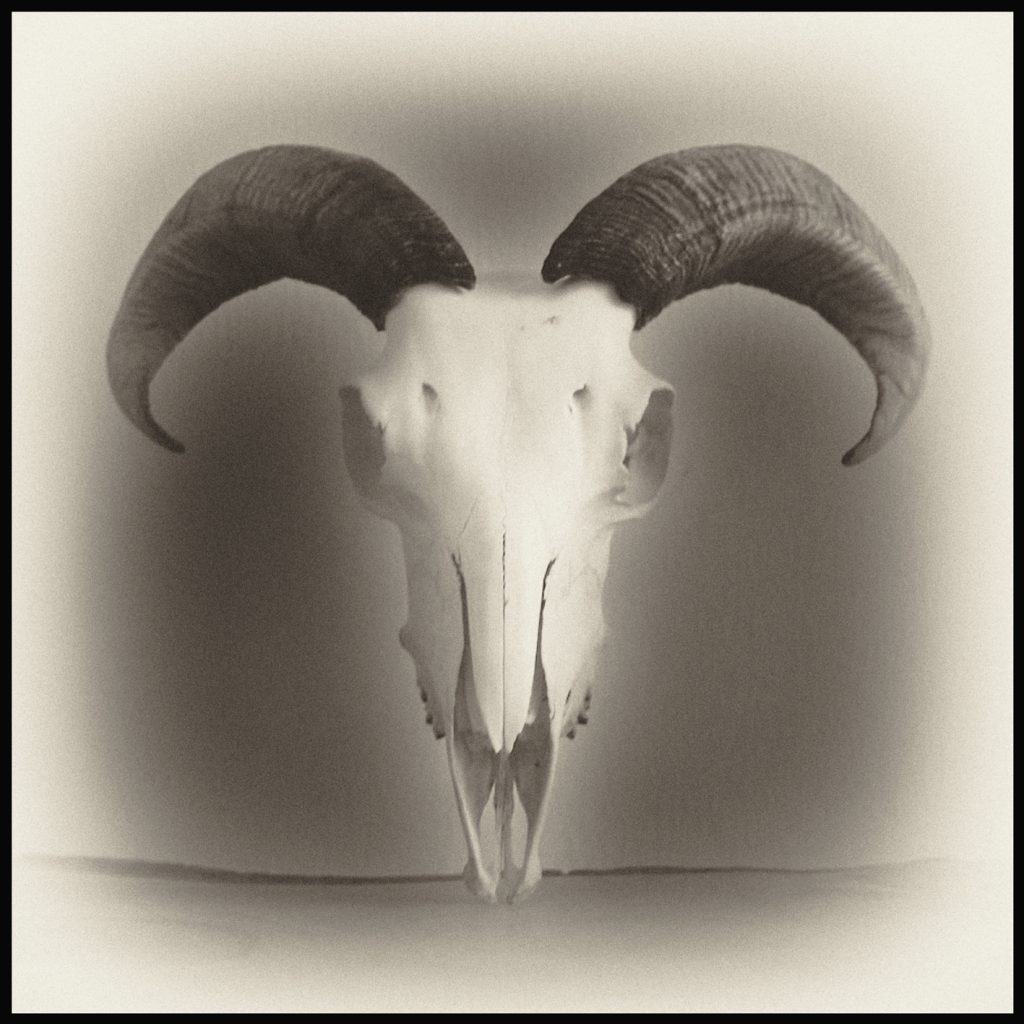
El arte, necesariamente cuestiona, revuelve; en tal sentido, es opuesto a la paz. ¿Qué hay de la paz en tu propuesta? ¿Constituye realmente un opuesto de la guerra y el conflicto?
A menudo, la creatividad se percibe como un don fluido y espontáneo, como una inspiración que se manifiesta sin esfuerzo aparente. Sin embargo, tiene raíces mucho más profundas y complejas, intrínsecamente vinculadas a los conflictos internos, las dudas y las preguntas sin respuesta que cada uno de nosotros lleva en su interior. Precisamente en este tumulto interior, la mente creativa encuentra el espacio para cuestionarse, explorar y construir nuevas perspectivas, transformando la incertidumbre en un motor de innovación y originalidad. Con frecuencia, el malestar que me provoca una crisis personal o intelectual estimula un proceso de reflexión profunda. En lugar de ser simplemente un obstáculo, las preguntas sin respuesta se convierten en elementos constructivos de mi creación artística o intelectual. El resultado final de la obra creativa desempeña un papel crucial en este tormentoso recorrido. De hecho, es en la materialización de la idea, en el acto de dar forma a lo que antes no era más que confusión y duda, donde encuentro la verdadera paz interior. Así, la obra se convierte no solo en un producto estético o intelectual, sino también en un acto liberador, capaz de devolver una sensación de plenitud y satisfacción personal… La obra final me proporciona una profunda paz y una gratificación que superan las dificultades iniciales, devolviendo la armonía y el sentido a la existencia.
¿Qué tan planificado es tu trabajo y cuánto de él cobra vida durante el proceso mismo de elaboración?
Aunque parezcan preparadas, la mayoría de mis imágenes no lo son. Todo sucede en el momento de la toma y en muy poco tiempo; algunas fotos son incluso el resultado de un solo disparo. Por lo general, incluso para los retratos, voy al lugar y empiezo a dar vueltas hasta que encuentro mi encuadre. A menudo relaciono al sujeto con algo, con un objeto que le pertenece o que lo caracteriza, o que me atrae especialmente y que encuentro en ese lugar. Todo ocurre de forma espontánea y sencilla. Sin embargo, cada vez es un reto nuevo y una prueba para mi capacidad intuitiva y creativa. Probablemente, ese equilibrio que caracteriza mi forma de fotografiar proviene de una necesidad interior de limpieza y orden que no encuentra su reflejo en la realidad exterior. Es un deseo que, por desgracia, solo se hace realidad en mis obras, pero que me gustaría que formara parte del mundo.
¿Con qué obras de arte anteriores a la tuya, consideras que dialoga tu trabajo? ¿Qué influencia acusa? Por otra parte, ¿con qué otras expresiones críticas, más actuales, digamos, se vincula?
Personalmente, creo que, por encima de todo, es fundamental contar con una gran experiencia visual. Me siento como un navegante o, mejor dicho, un explorador del inmenso universo del arte. El artista es un descubridor, busca las llaves para abrir la puerta de las emociones, y el arte es el lugar donde la racionalidad, la fantasía, la verdad y la ficción se fusionan creando una mezcla explosiva. Alimento continuamente mi creatividad observando muchísimas imágenes y estudiando sin cesar obras de arte, sobre todo pinturas… de Giotto en adelante. Para este último trabajo, sin duda me han inspirado El grito de Munch y Guernica de Picasso. En fotografía, mis referentes son las obras de Bill Brandt, Irving Penn y Richard Avedon. Amo el arte en todas sus formas y nunca podría prescindir de él: es mi motor. De hecho, el estilo, que es muy importante, como he dicho a menudo, nace de la suma de todo lo que has visto, más algo absolutamente tuyo que caracteriza de manera inconfundible e inequívoca cada obra. En realidad, ocurre un milagro cada vez que consigues hacer una foto que es reconociblemente tuya. Este carácter propio, este sello es fundamental para todo artista. De todos modos, dejo que sean los demás quienes definan mis fotografías y mi forma de trabajar.
¿Qué sigue a futuro en tu obra?
Vengo planeando algunos talleres y exposiciones para mostrar ésta, mi obra más reciente. Sin embargo, como escribió Lorenzo de Médici: «Del mañana no hay certeza».
(ENGLISH VERSION)
What Is Worthy of Being Seen: A Conversation with Augusto De Luca on His Most Recent Work «Armageddon»
Translated by Tiffany Amber Elías Trimble
The apparent neutrality of documentary recording always conceals a decision: what to frame, what to exclude, upon what to rest one’s gaze long enough for the object to cease being mere data and become a question. Photography that claims to be faithful to the real —that which offers itself as a silent witness, as a record of the world’s appearance— in fact operates an institutionalization of the visible: it fixes hierarchies, naturalizes absences, consecrates. Augusto De Luca, Neapolitan born in 1955, trained in law and turned photographer in the 1970s, has worked for decades precisely on that fault line. He stages the estrangement of our own presence in the world, that irreducible distance between what we are and what the institutions of the real —family, work, the city, the archive— have decided we should be.
De Luca’s images effectively operate as a pseudo-document: they seem to account for something that was there, but they do so in a way that reveals the fragility of that very assumption. The human body does not appear as essence but as a mask that barely holds; the city, stripped of its monumentality, offers itself as the theater of a solitude that is not metaphorical but structural. Thus takes shape the question concerning our way of being in the world, and concerning the multiple implications —immediate and secret, collective and intimate.
We spoke with him about this, especially given the appearance of his most recent work: Armageddon.
Having something to say… Often, one discovers it through the work itself, with the materials in use, but it also happens that someone carries it inside and then decides in what way and through what means to express it… How did you arrive at your form of visual art?
I have always carried within me the seed of the mother-man; creativity has accompanied me at every moment, even if it has manifested itself in different ways. In my youth, I expressed myself through music, playing the guitar, and it was not until the mid-1970s that I started taking photographs, almost for fun. In fact, at that time, a dear friend of mine, an amateur photographer, invited me into his darkroom. When I entered, I was immediately struck by the atmosphere; in fact, there was only a dim red light on, which young photographers today do not know, used to be able to calmly open packages of photographic paper without any problems. But what left me speechless was seeing images miraculously appear on the sheets immersed in the developing acid. At that precise moment I fell in love and saw, without a doubt, that I had to photograph and print.
In photography, I have always tried to express myself with a very defined style, but using all materials, formats and genres, because I want to discover how my creativity manifests itself in different circumstances. I have studied photography extensively as a self-taught artist, as well as art history. Unlike many other photographers, I started with color and then moved to black and white, reversing their expressive possibilities; in fact, I used color to highlight and underline not the realism of the scene, but, with unusual framings and abstract structures, while with black and white I instead represented reality, photographing various cities and portraying numerous famous personalities. In short, I have enhanced and eliminated certain characteristics of each expressive mode. With color, the very power of chromatism; with black and white, on the other hand, I have enhanced the forms and lines of the subjects, offering a more essential reading, in order to achieve a more transcendental interpretation that would make the viewer dream and imagine.
With your work we find ourselves directly confronted with bodies or representations of them. Where does this organicity come from? Where is it aimed?
The body parts I have photographed, especially in my latest photographic work, Armageddon, symbolically represent the suffering and pain to which human beings are subjected as a result of conflicts. However, I also address everyone’s internal conflicts. They arise from the complexity of human nature, which is constantly in tension between opposing desires, divergent values, and the need to adapt to a constantly changing world. This internal tension often manifests itself as a struggle between reason and emotion, between personal ethics and social pressures, or between individual aspirations and collective responsibilities. Therefore, in the broader context of humanity, these conflicts also reflect the difficulties of harmonizing cultural diversity and social inequalities, etc.
What about your personal experience marks the vision you present on your subject matter?
That desire, or rather that tendency towards the metaphysical, towards the surreal… arises precisely from my need to dream, to be in a world beyond this one. Fantasy, imagination and mirage have always been part of me. Perhaps because, as an only child, from a young age I filled my «spaces» with other realities that, in some way, compensated for and filled the emptiness of peer company. This has been a continuous and spontaneous training that, over time, has also led to a considerable capacity for abstraction, living real dreamlike and unlikely worlds and situations. I trust that this can be appreciated precisely in my images, which are the mirror.
Art necessarily questions, stirs up; in that sense, it is opposed to peace. What is there of peace in your proposal? Is it truly an opposite of war and conflict?
Often, creativity is perceived as a fluid and spontaneous gift, as an inspiration that manifests itself without apparent effort. However, it has much deeper and more complex roots, intrinsically linked to the internal conflicts, doubts and unanswered questions that each of us carries within. Precisely in this inner turmoil, the creative mind finds the space to question itself, explore and build new perspectives, transforming uncertainty into an engine of innovation and originality. Frequently, the unease caused by a personal or intellectual crisis stimulates a process of deep reflection. Instead of simply being an obstacle, unanswered questions become constructive elements of my artistic or intellectual creation. The final result of the creative work plays a crucial role in this tormented journey. In fact, it is in the materialization of the idea, in the act of giving shape to what was previously nothing but confusion and doubt, that I find true inner peace. Thus, the work becomes not only an aesthetic or intellectual product, but also a liberating act, capable of restoring a sense of fulfillment and personal satisfaction… The final work gives me a profound peace and gratification that surpass the initial difficulties, restoring harmony and meaning to existence.
How planned is your work, and how much of it comes to life during the very process of creation?
Even if they seem prepared, most of my images are not. Everything happens at the moment of the shot and in a very short time; some photos are even the result of a single shot. Generally, even for portraits, I go to the place and start walking around until I find my framing. I often relate the subject to something, to an object that belongs to them or that characterizes them, or that particularly attracts me and that I find in that place. Everything happens spontaneously and simply. However, each time is a new challenge and a test for my intuitive and creative ability. Probably, that balance which characterizes my way of photographing comes from an inner need for cleanliness and order that is not reflected in external reality. It is a desire that, unfortunately, only comes true in my works, but that I would like to be part of the world.
With what works of art prior to yours do you consider your work to be in dialogue? What influence does it show? On the other hand, with what other, more current critical expressions is it linked?
Personally, I believe that, above all, it is essential to have a great visual experience. I feel like a navigator or, rather, an explorer of the immense universe of art. The artist is a discoverer, looking for the keys to open the door of emotions, and art is the place where rationality, fantasy, truth and fiction merge, creating an explosive mixture. I continually feed my creativity by observing many images and constantly studying works of art, especially paintings… from Giotto onwards. For this latest work, I was undoubtedly inspired by Munch’s The Scream and Picasso’s Guernica. In photography, my references are the works of Bill Brandt, Irving Penn and Richard Avedon. I love art in all its forms and I could never do without it: it is my engine. In fact, style, which is very important, as I have often said, is born from the sum of everything you have seen, plus something absolutely your own that characterizes each work in an unmistakable and unequivocal way. In reality, a miracle occurs every time you manage to take a photo that is recognizably yours. This own character, this stamp, is fundamental for any artist. In any case, I let others define my photographs and my way of working.
What lies ahead in your work?
I have been planning some workshops and exhibitions to show this, my most recent work. However, as Lorenzo de’ Medici wrote: «Of tomorrow there is no certainty.»