
Impenetrabilidad: Aproximación a la obra de Brett Walker
Por Juan Pablo Torres Muñiz
Si en el siglo XX, el retrato fotográfico se debatió entre la búsqueda de la esencia psicológica (Avedon, Penn) y la construcción de mitos pop (Warhol, al extremo), la reciente «democratización» digital y la irrupción de las redes sociales han acelerado exponencialmente su mutación hacia un territorio nuevo: el de la autorrepresentación como texto visual conscientemente editado, en el que la fidelidad física es postergada por la tensión narrativa, la interpretación hipersubjetiva y la composición de una personalidad proyectada a partir de un arsenal de herramientas digitales (filtros, capas, retoques) que permiten a cualquiera, con mayor o menor destreza, bosquejar un discurso sobre sí mismo. Este paisaje visual, saturado de imágenes que son más «signos» que «rostros», ha generado una paradójica uniformidad dentro de la supuesta expresión individual: la tensión buscada, la «autenticidad» performativa y el contraste estetizado se han convertido en nuevos clichés de la subjetividad en la era del scroll. En este contexto, la obra de un fotógrafo como el británico Brett Walker adquiere especial relevancia.
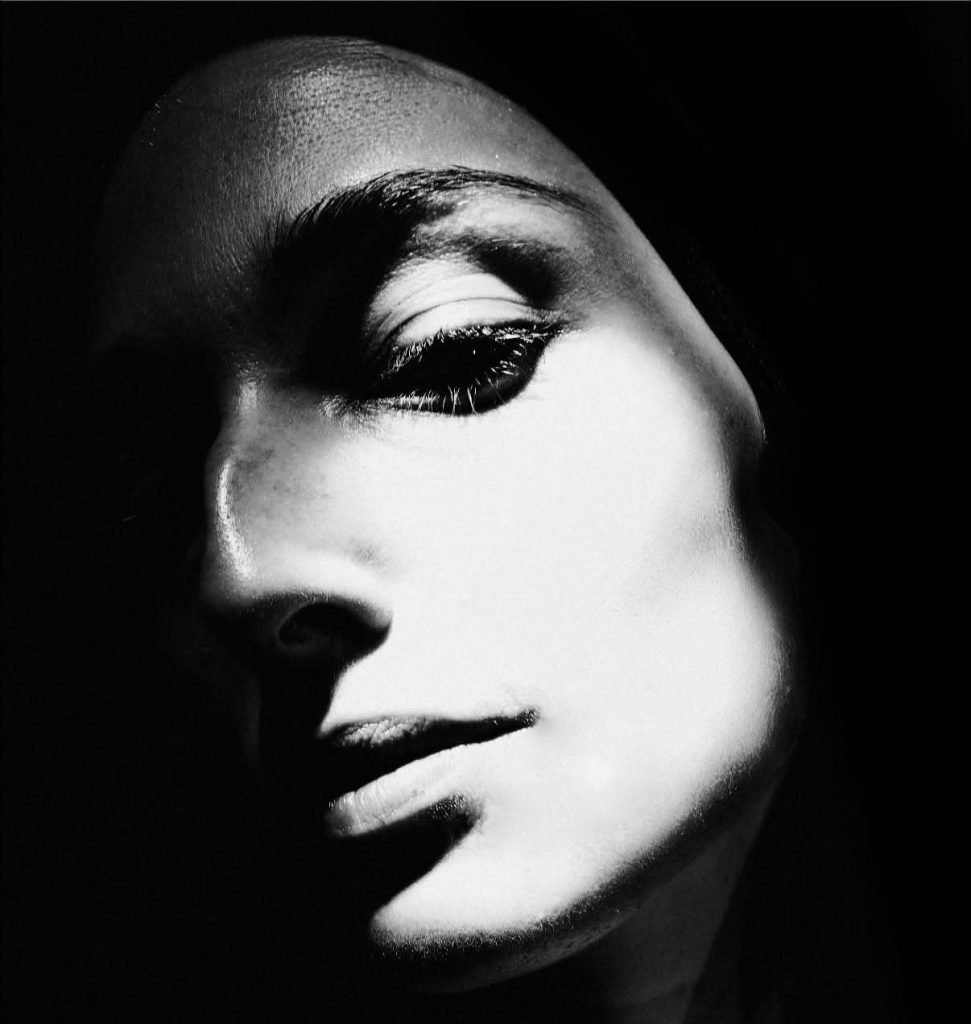
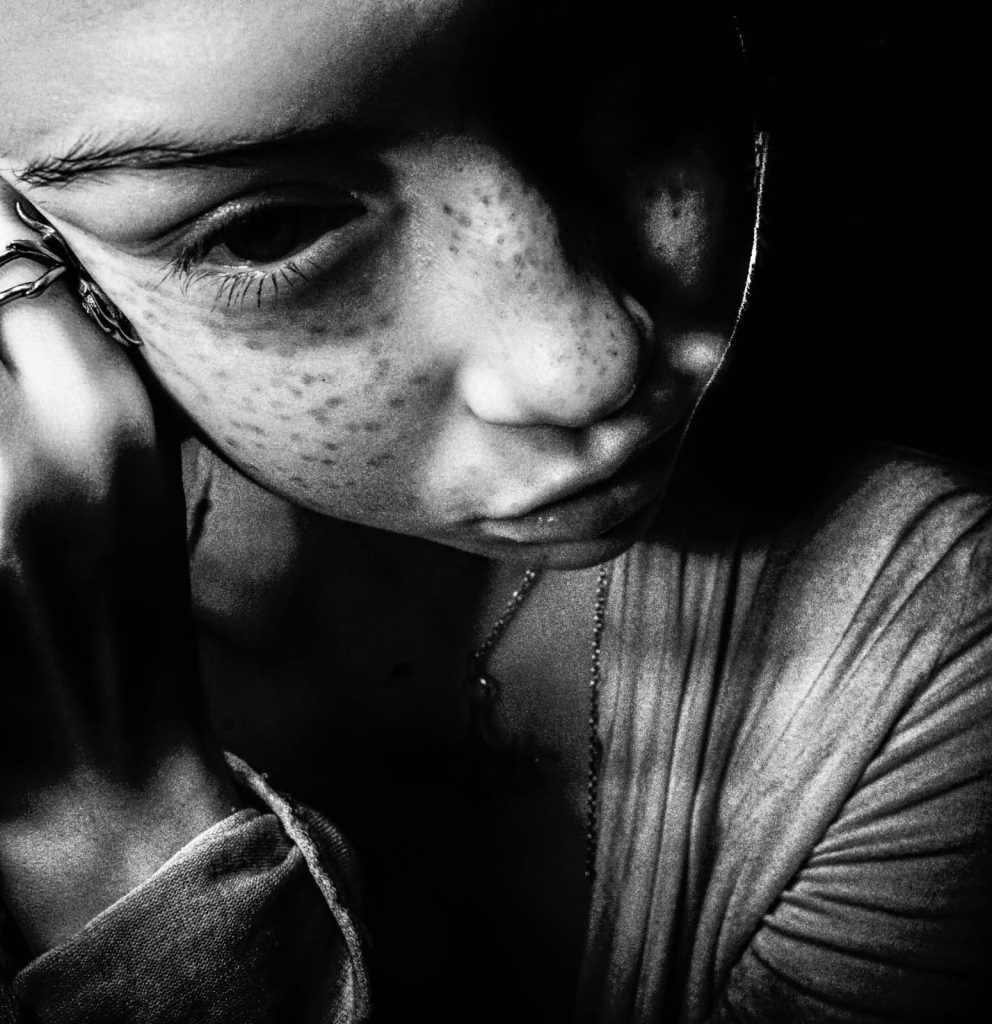
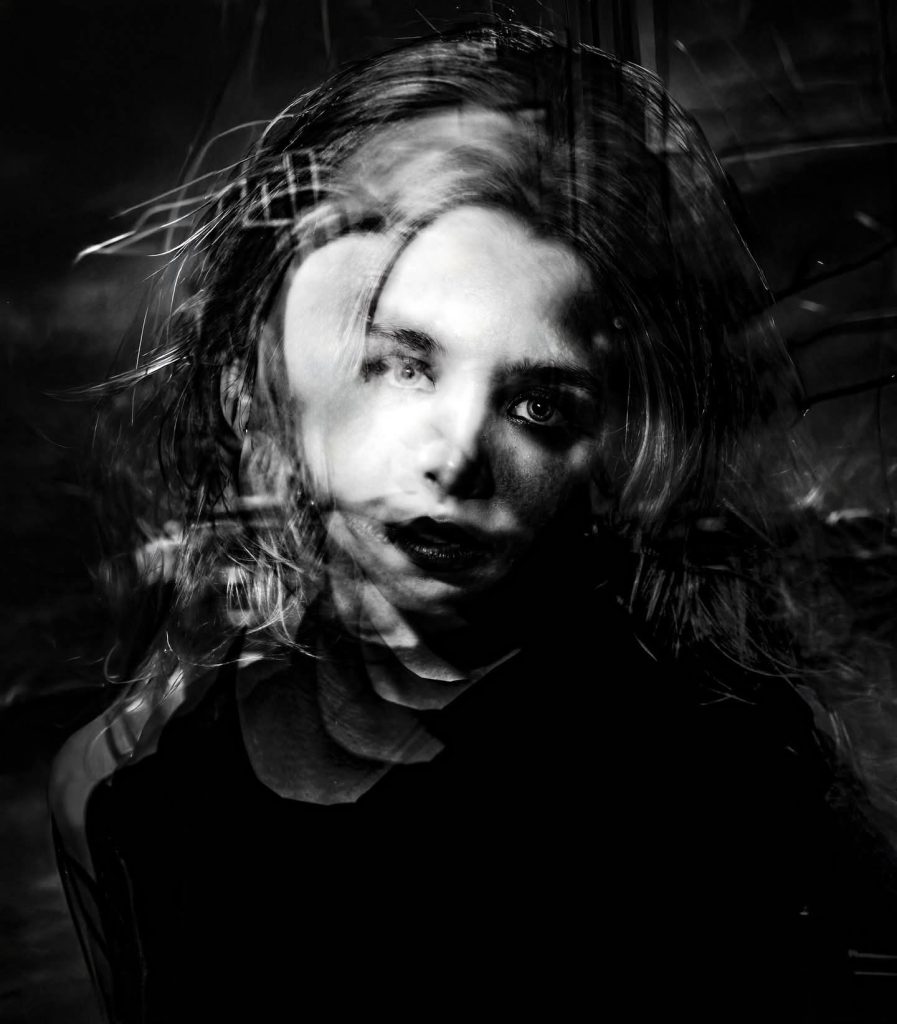
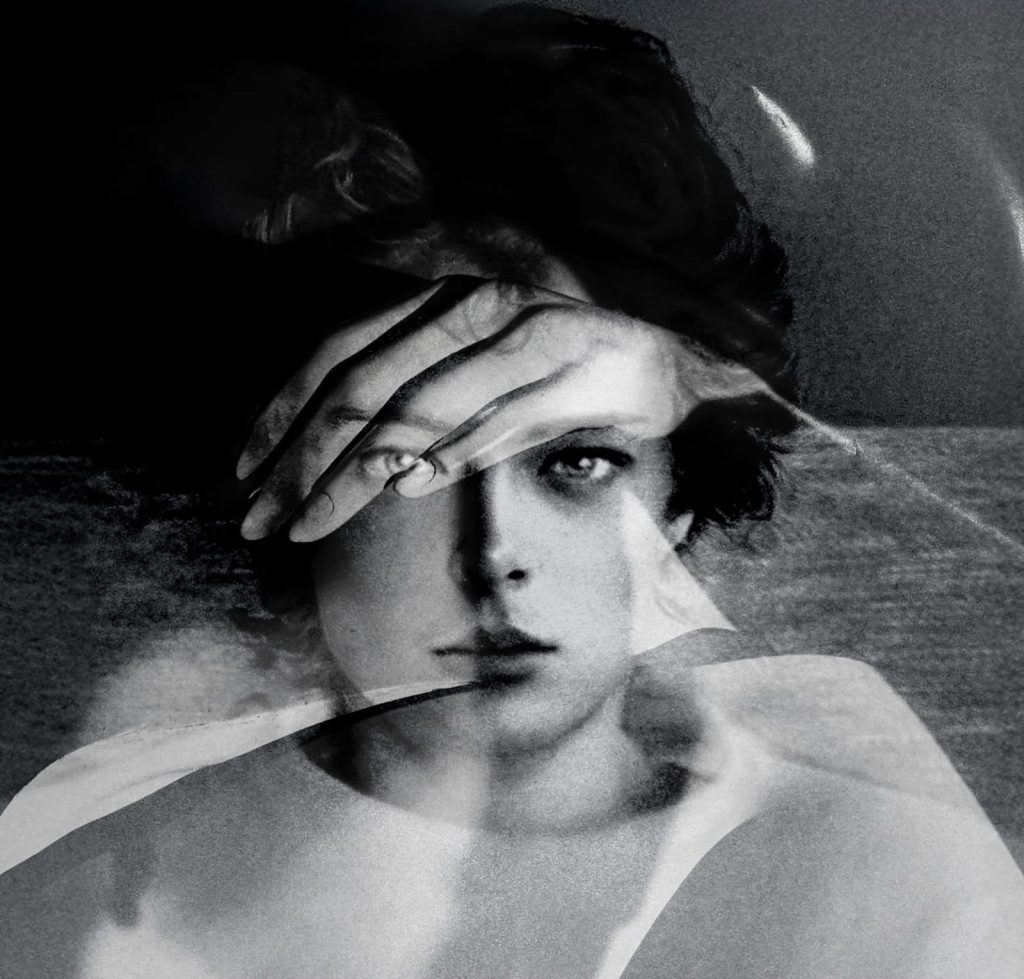
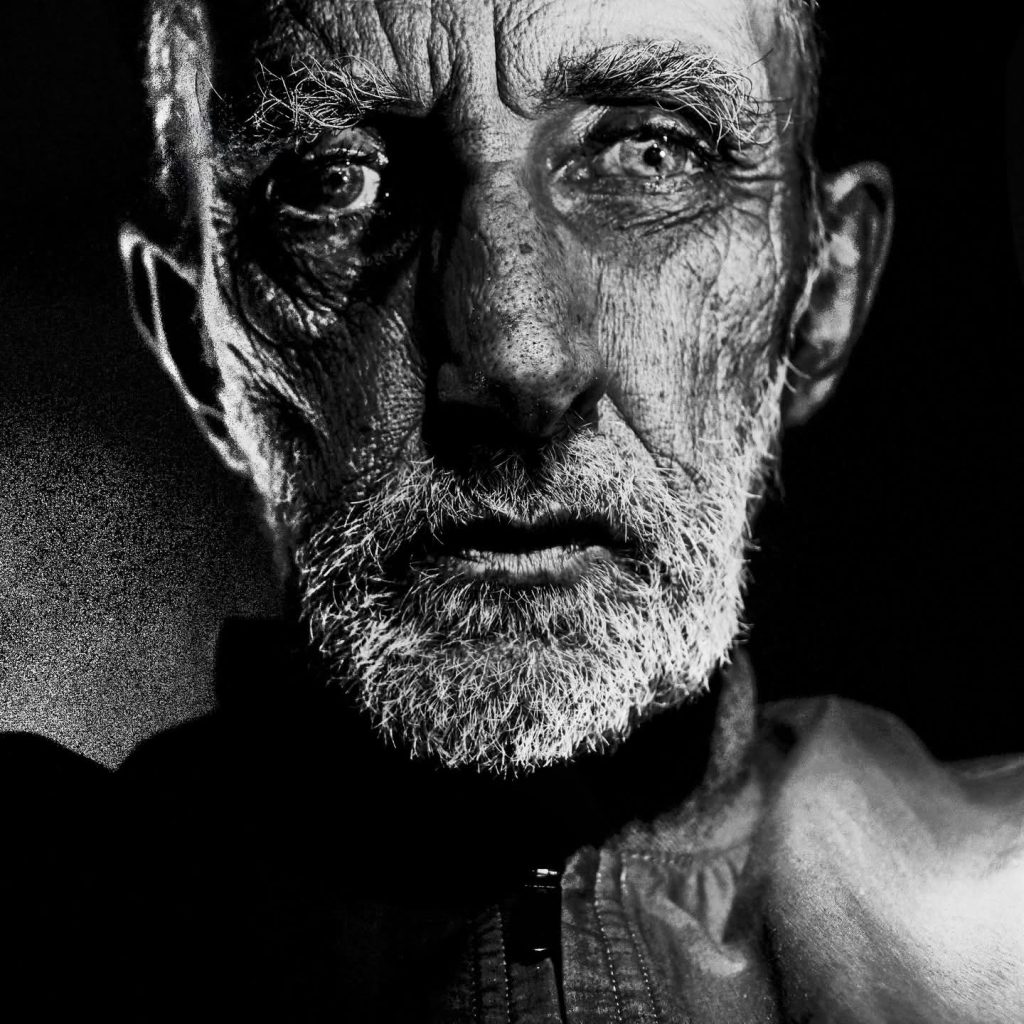
Conocedor desde dentro de la maquinaria de creación de mitos visuales, tras años alejado de la industria —llegó incluso a trabajar como marino mercante—, decidió retomar la fotografía de lleno, mas como medio de indagación material. Su temática central de Walker es, precisamente, la puesta en entredicho de las instituciones más caras a la posmodernidad: la identidad, la intimidad y la narrativa del yo en un entorno acelerado. Sus modelos, extraídos principalmente de su vecindario en Ladbroke Grove, Londres, no son celebridades ni arquetipos idealizados, sino gente cuya singularidad física se acentúa hasta volverse monumental al mismo tiempo que enigmática. Walker no pretende retratar «almas» ni «esencias», desmontando así la falacia idealista de la revelación de un interior asombroso; por el contrario, fotografía la impenetrabilidad del carácter como un hecho material. Los rostros que captura son territorios de una topografía áspera, marcada por arrugas, miradas desafiantes o perdidas, y una corporalidad casi táctil. Así, nos ofrece la impenetrabilidad como afirmación: la del sujeto como entidad opaca que resiste la demanda constante de transparencia emocional y narrativa autobiográfica que imponen las redes sociales. La soledad que transpiran muchas de sus imágenes no se corresponde con ningún pathos romántico, sino acaso con la del individuo que persiste como tal frente a la presión de disolverse en la corriente de estímulos conocidos y respuestas previsibles. Walker tematiza la resistencia pasiva de la materialidad humana frente a la aceleración del entorno; sus sujetos parecen anclados en un tiempo distinto, más lento y denso, confrontando al espectador con una presencia que se niega a digestiones rápidas. Al hacerlo, cuestiona la institución de la identidad como relato fluido y elegido, sugiriendo que, bajo las capas de performance, persiste un núcleo de opacidad corpórea que no se reduce a historia ni a elección.
Walker abandona por completo la paleta cromática exuberante de la moda para sumergirse en un universo de blanco y negro de contrastes violentos, donde las texturas de la piel, la ropa y el fondo adquieren relevancia táctil; se trata de un acto de depuración conceptual: al eliminar el color, seductor y emocional por excelencia, fuerza al espectador a enfrentarse a la pura forma, a la estructura geométrica del rostro, a la narrativa de las líneas y las sombras. La composición es frontal, directa y a menudo de formato grande, lo que confiere a sus retratos una cualidad icónica, eminentemente confrontacional. Sin escenografía narrativa, apenas un fondo neutro que aísla al sujeto; iluminación cruda y lateral, que excava, revela imperfecciones, asimetrías y la huella cruel del tiempo; el artista apunta a una metodología de desmontaje de la pose social. De hecho, resulta claro que busca ese instante en que la máscara del personaje de redes se resquebraja, no para revelar una ninguna «verdad interior», sino la materialidad de la persona que uno de veras alcanza a forjar y, en parte, es forjada contra él mismo.
Cuando impera la inflación de la autoimagen editable y la consiguiente banalización de la subjetividad, Walker ejecuta un movimiento doble y paradójico: emplea las herramientas de la construcción visual (composición, iluminación maestra, formato monumental) no para edificar un ideal, sino para destruir la propia noción de identidad como relato ligero, debajo de su aura edulcorada. Su trabajo va a contracorriente de la adolescentización de la mirada —ese afán de suavizar, filtrar y hacer digerible cualquier aspereza—; insiste en la opacidad, la textura y la presencia física abrumadora, restituye al retrato su dignidad de fuente problemática y su potencia crítica. Niega respuestas sobre quiénes son sus modelos; en cambio, convierte cada rostro en una pregunta acerada sobre el misterio de persistir como individuo singular en un mundo que promete, falsamente, el absurdo de la autodeterminación a través de la imagen.
Ojo. En ese territorio áspero y magnético que Walker cartografía con tanta maestría, se juega una parte esencial de lo que todavía puede significar ser una persona, mucho más que no un mero perfil.

ENGLISH VERSION
Impenetrability: An Approach to the Work of Brett Walker
Translation by Rebeca Sanz
If in the 20th century, photographic portraiture was caught between the search for psychological essence (Avedon, Penn) and the construction of pop myths (Warhol, taken to the extreme), the recent digital «democratization» and the emergence of social media have exponentially accelerated its mutation into new territory: that of self-representation as a consciously edited visual text, in which physical fidelity is postponed by narrative tension, hypersubjective interpretation, and the composition of a projected personality based on an arsenal of digital tools (filters, layers, retouching) that allow anyone, with greater or lesser skill, to sketch a discourse about themselves. This visual landscape, saturated with images that are more «signs» than «faces,» has generated a paradoxical uniformity within supposed individual expression: the sought-after tension, performative «authenticity,» and aestheticized contrast have become new clichés of subjectivity in the age of the scroll. In this context, the work of a photographer like Britain’s Brett Walker acquires special relevance.
Knowledgeable from within the machinery of visual myth creation, after years away from the industry—he even worked as a merchant seaman—he decided to fully resume photography, but as a means of material inquiry. Walker’s central theme is precisely the questioning of the institutions dearest to postmodernity: identity, intimacy, and the narrative of the self in an accelerated environment. His models, drawn mainly from his neighborhood in Ladbroke Grove, London, are not celebrities nor idealized archetypes, but people whose physical uniqueness is accentuated to become monumental while enigmatic. Walker does not aim to portray «souls» or «essences,» thus dismantling the idealist fallacy of revealing an astonishing interior; on the contrary, he photographs the impenetrability of character as a material fact. The faces he captures are territories of a rough topography, marked by wrinkles, challenging or lost gazes, and an almost tactile corporeality. Thus, he offers us impenetrability as an affirmation: that of the subject as an opaque entity that resists the constant demand for emotional transparency and autobiographical narrative imposed by social media. The solitude exuded by many of his images does not correspond to any romantic pathos, but perhaps to that of the individual who persists as such in the face of the pressure to dissolve into the stream of known stimuli and predictable responses. Walker thematizes the passive resistance of human materiality against environmental acceleration; his subjects seem anchored in a different time, slower and denser, confronting the viewer with a presence that refuses quick digestion. In doing so, he questions the institution of identity as a fluid, chosen narrative, suggesting that, beneath the layers of performance, a core of corporeal opacity persists that cannot be reduced to story or choice.
Walker completely abandons the exuberant color palette of fashion to immerse himself in a universe of black and white with violent contrasts, where the textures of skin, clothing, and background acquire tactile relevance; this is an act of conceptual purification: by eliminating color, seductive and emotional par excellence, he forces the viewer to confront pure form, the geometric structure of the face, the narrative of lines and shadows. The composition is frontal, direct, and often large format, giving his portraits an iconic, eminently confrontational quality. No narrative scenery, barely a neutral background that isolates the subject; raw, sidelong lighting that excavates, reveals imperfections, asymmetries, and the cruel mark of time; the artist aims for a methodology of dismantling the social pose. In fact, it is clear he seeks that moment when the mask of the social media character cracks, not to reveal any «inner truth,» but the materiality of the person that one truly manages to forge and, in part, is forged against oneself.
When the inflation of the editable self-image and the consequent banalization of subjectivity prevail, Walker executes a double and paradoxical movement: he uses the tools of visual construction (composition, masterful lighting, monumental format) not to build an ideal, but to destroy the very notion of identity as a light narrative, beneath its sweetened aura. His work goes against the current of the adolescentization of the gaze—that eagerness to soften, filter, and make any roughness digestible—; he insists on opacity, texture, and overwhelming physical presence, restoring to the portrait its dignity as a problematic source and its critical power. He denies answers about who his models are; instead, he turns each face into a sharp question about the mystery of persisting as a singular individual in a world that falsely promises the absurdity of self-determination through the image.
Beware. In that rough and magnetic territory that Walker maps with such mastery, an essential part of what it can still mean to be a person is at stake, far more than being a mere profile.