
Entre la ilusión y la visión: Conversación con Martín del Carpio sobre su propuesta cinematográfica
Con Juan Pablo Torres Muñiz
En el panorama actual de la producción audiovisual se ha instalado una confusión tan extendida como raramente examinada: la de confundir competencia técnica con creación cinematográfica, como si el dominio de la cámara, el software de edición o la así llamada gramática visual fueran, por sí solos, garantes de una obra con espesor artístico. Esta sustitución silenciosa —propia de una época que premia lo visible inmediato y desprecia lo que tarda en revelarse— ha generado un paisaje donde abundan los productos bien iluminados, narrativamente funcionales y emocionalmente predecibles, pero donde escasea aquello que alguna vez distinguió al cine de un manual de instrucciones: la capacidad de sostener una pregunta sin respuesta.
Frente a esta deriva, la obra de Martin Del Carpio propone una suerte de contrapunto. No porque rechace lo audiovisual, sino porque lo habita desde una tensión inusual en el mainstream productivo: la que surge entre la presión por contar historias de forma «eficaz» y la exigencia interna de contarlas de forma necesaria. Su insistencia en vincular música y narrativa fílmica supera la condición de recurso estilístico, para plantearse acaso como declaración.
Conversamos con él al respecto…
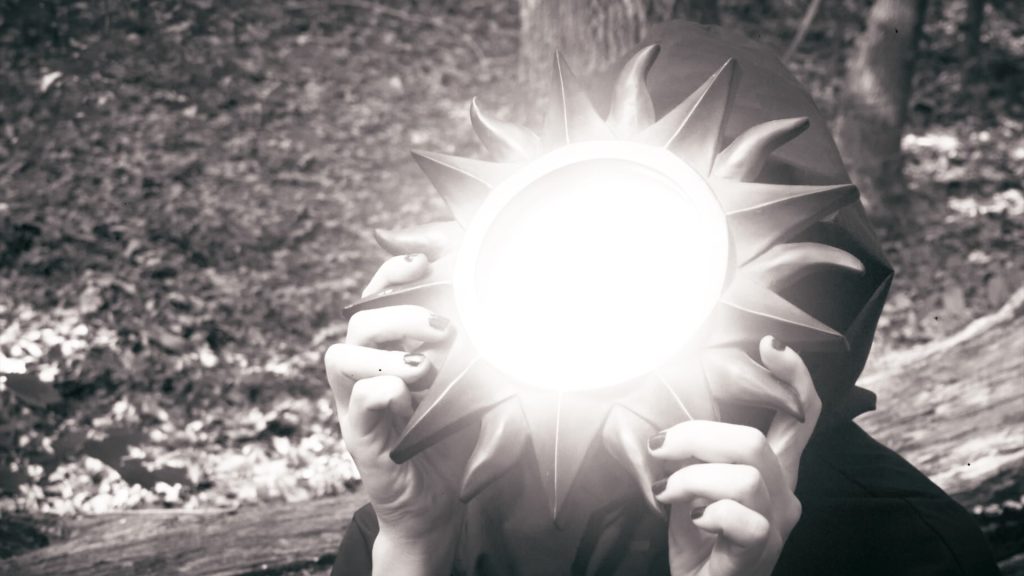
La comunicación audiovisual ha ganado más terreno que ninguna otra. ¿De qué forma condiciona esto el arte a través de sus medios?
Moldea el arte al permitir que el público sea más perceptivo y receptivo a diferentes ideas cinematográficas. Le brinda al espectador la oportunidad de utilizar sus instintos más primitivos al ver una película más accesible a la comunicación audiovisual.
Un amigo me comentó recientemente que, si uno no puede contar una historia visualmente, incluso dentro de un formato narrativo, simplemente no debería dedicarse al cine y punto.
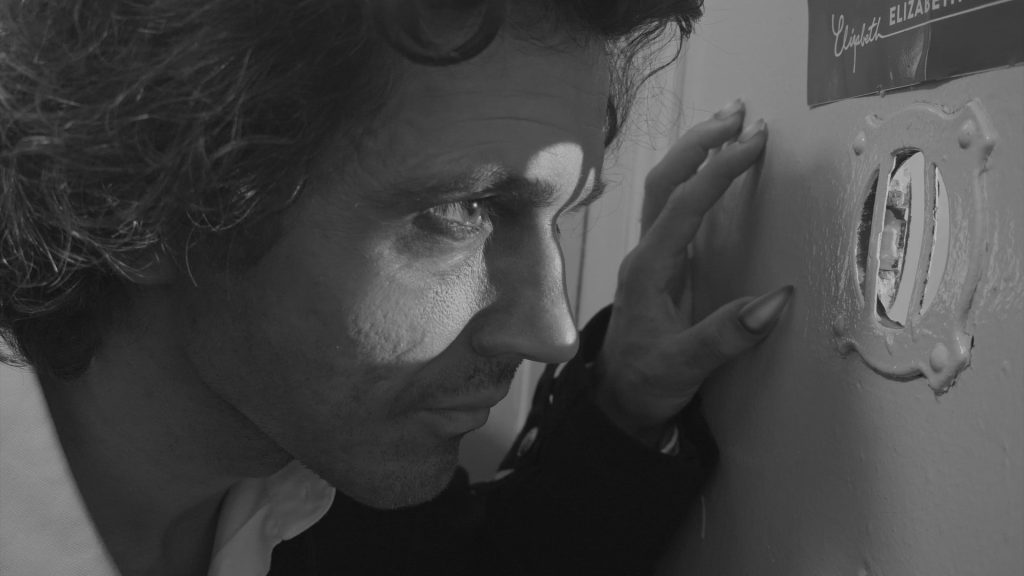
¿En qué medida cabría hablar de una temática recurrente o un eje temático imperante en tu obra?
Últimamente, un tema recurrente en mi trabajo parece ser la lucha de los desfavorecidos en nuestra sociedad, especialmente en el ámbito artístico. La lucha consiste en vivir al día a día para ganarse la vida mientras se intenta mantener vivos los sueños. No ideales, sino visiones que se persiguen.
¿De qué forma concibes la autonomía del cine en materia narrativa, es decir, al margen de la literatura, la dramaturgia y la música?
Bueno, ante todo, desde una perspectiva orgánica. Necesito visualizar toda la película en mi mente, incluyendo todos los diálogos e imágenes de principio a fin. Sin eso, no entiendo cómo construir la narrativa. Desarrollar los personajes y dotar incluso a los escenarios de una atmósfera particular me ayuda a definir la historia.
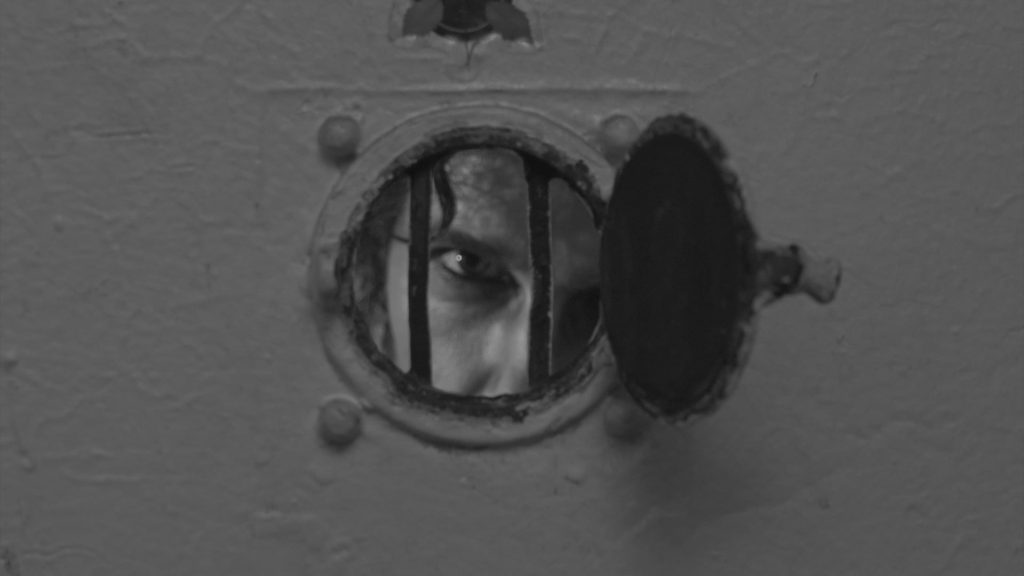
En el uso de un lenguaje es reconocible el rastro de la tradición, de la traición, del afán de originalidad y cuánto suma lo ecléctico… ¿A quiénes agradeces?
Agradezco al escritor japonés Yukio Mishima porque es el ejemplo perfecto de alguien que se toma el tiempo necesario para desarrollar la narrativa en su obra con descripciones bellas y detalladas. Además, no teme explorar temas que otros podrían considerar oscuros e incluso perturbadores. Para mí, eso es inspirador, porque como artista uno debe tener el control absoluto para expresar su arte según lo dicte su musa.
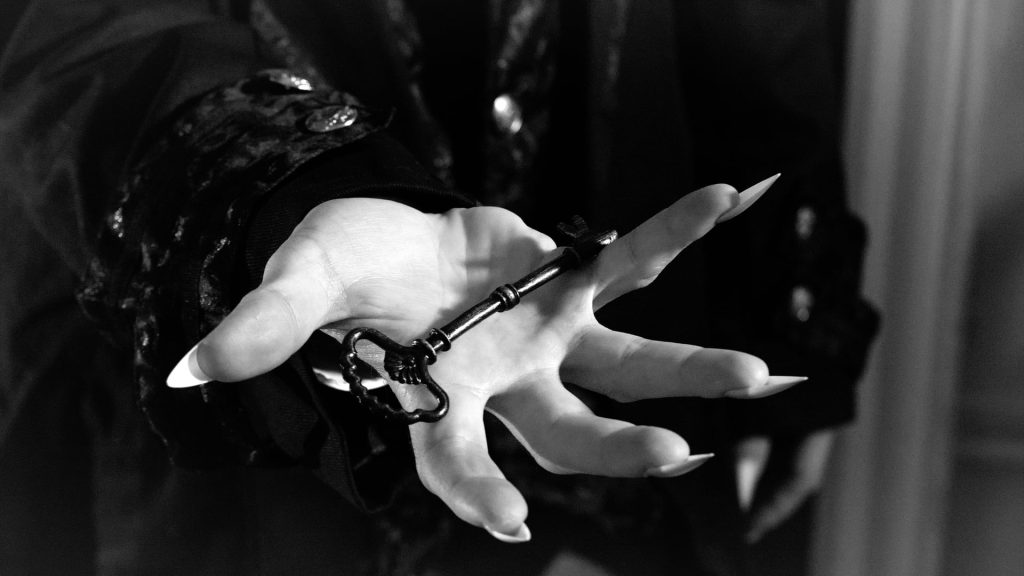
La distinción entre arte e industria, comúnmente enfangada en idealismos, no ciega a quien persigue un propósito claro más allá de la tipología… ¿Cómo ha evolucionado tu visión y qué rumbo has seguido?
¡Esa pregunta…! Intentaré responderla con la mayor claridad posible. El camino que sigo es el que me inspira en este momento. Me permito una progresión natural. Empecé en la música y luego me sentí más conectado con el cine. Así que comencé a crear películas experimentales. Después sentí la necesidad de involucrarme más en la narrativa y decidí empezar a verme como una especie de escritor. Ahora tengo curiosidad por hacer películas de mayor duración…, largometrajes. Dejo que las cosas fluyan naturalmente sin sentirme presionado por el tiempo.
¿Hacia dónde crees que va la producción audiovisual, en general, actualmente?
Donde encontrará un público que aprecie ese formato. A medida que la tecnología evoluciona constantemente, se transformará en otros aspectos.
¿Qué te gustaría que te pregunte alguien luego de haber visto cuánto has hecho?
¿Por qué aún sigo soñando?
(ENGLISH VERSION)
Between Illusion and Vision: A Conversation with Martín del Carpio on His Artistic Proposal
Translation by Tiffany Amber Elías Trimble
In the current landscape of audiovisual production, a confusion has taken hold that is as widespread as it is rarely examined: that of mistaking technical competence for cinematic creation, as if mastery of the camera, editing software, or so-called visual grammar were, in themselves, guarantors of a work with artistic depth. This silent substitution —typical of an era that rewards the immediately visible and disdains what takes time to reveal itself— has generated a landscape where well-lit, narratively functional, and emotionally predictable products abound, but where there is a scarcity of what once distinguished cinema from an instruction manual: the capacity to sustain an unanswered question.
In the face of this drift, the work of Martín del Carpio proposes a kind of counterpoint. Not because he rejects the audiovisual, but because he inhabits it from a tension unusual in the productive mainstream: that which arises between the pressure to tell stories «effectively» and the inner demand to tell them necessarily. His insistence on linking music and filmic narrative goes beyond the condition of stylistic resource, perhaps positioning itself as a statement.
We spoke with him about this…
Audiovisual communication has gained more ground than any other. How does this condition art through its means?
It shapes art by allowing the audience to be more perceptive and receptive to different cinematic ideas. It gives the viewer the opportunity to use their most primitive instincts when watching a film that is more accessible to audiovisual communication.
A friend recently told me that if you can’t tell a story visually, even within a narrative format, you simply shouldn’t dedicate yourself to cinema, period.
To what extent could one speak of a recurring theme or a prevailing thematic axis in your work?
Lately, a recurring theme in my work seems to be the struggle of the underprivileged in our society, especially in the artistic field. The struggle consists of living day to day to make a living while trying to keep dreams alive. Not ideals, but visions that one pursues.
How do you conceive the autonomy of cinema in narrative matters, that is, apart from literature, dramaturgy, and music?
Well, first of all, from an organic perspective. I need to visualize the entire film in my mind, including all the dialogues and images from beginning to end. Without that, I don’t understand how to build the narrative. Developing the characters and even endowing the settings with a particular atmosphere helps me define the story.
In the use of a language, one recognizes the trace of tradition, of betrayal, of the desire for originality, and how much the eclectic adds… To whom do you give thanks?
I am grateful to the Japanese writer Yukio Mishima because he is the perfect example of someone who takes the necessary time to develop narrative in his work with beautiful and detailed descriptions. Furthermore, he is not afraid to explore themes that others might consider dark or even disturbing. For me, that is inspiring, because as an artist one must have absolute control to express one’s art as one’s muse dictates.
The distinction between art and industry, commonly mired in idealisms, does not blind those who pursue a clear purpose beyond typology… How has your vision evolved, and what path have you followed?
That question…! I’ll try to answer it as clearly as possible. The path I follow is the one that inspires me at this moment. I allow myself a natural progression. I started in music, and then I felt more connected to cinema. So I began creating experimental films. Then I felt the need to engage more with narrative and decided to start seeing myself as a kind of writer. Now I’m curious about making longer films… feature films. I let things flow naturally without feeling pressured by time.
Where do you think audiovisual production is heading, generally speaking, nowadays?
Wherever it will find an audience that appreciates that format. As technology constantly evolves, it will transform into other aspects.
What would you like someone to ask you after having seen how much you have done?
Why am I still dreaming?