Exteriorización: Conversación con María Tudela sobre su obra
Con Juan Pablo Torres Muñiz
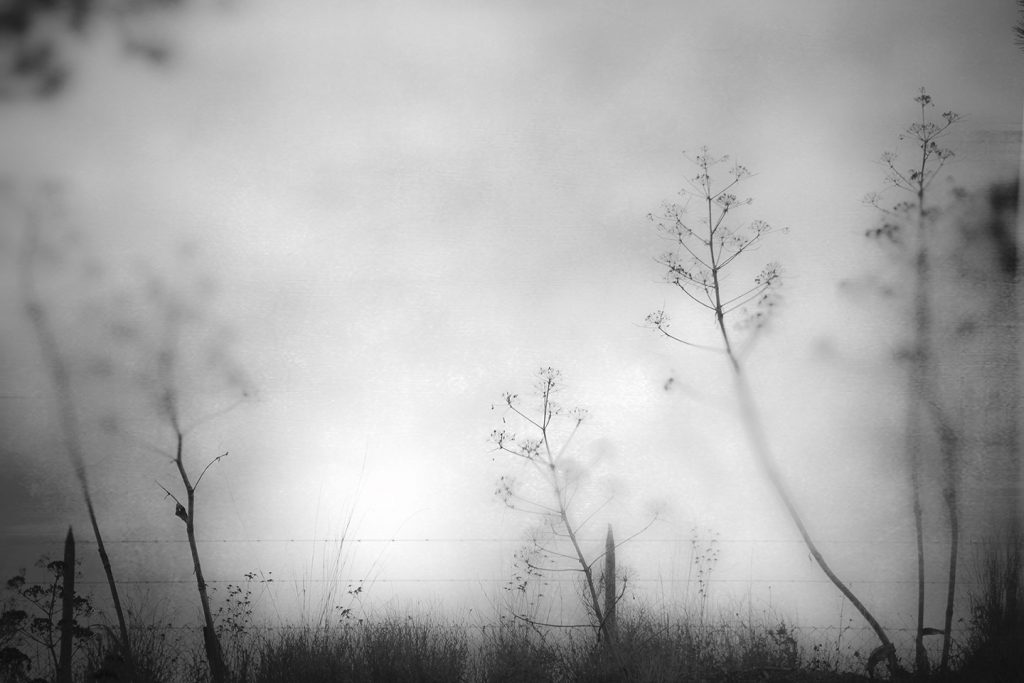
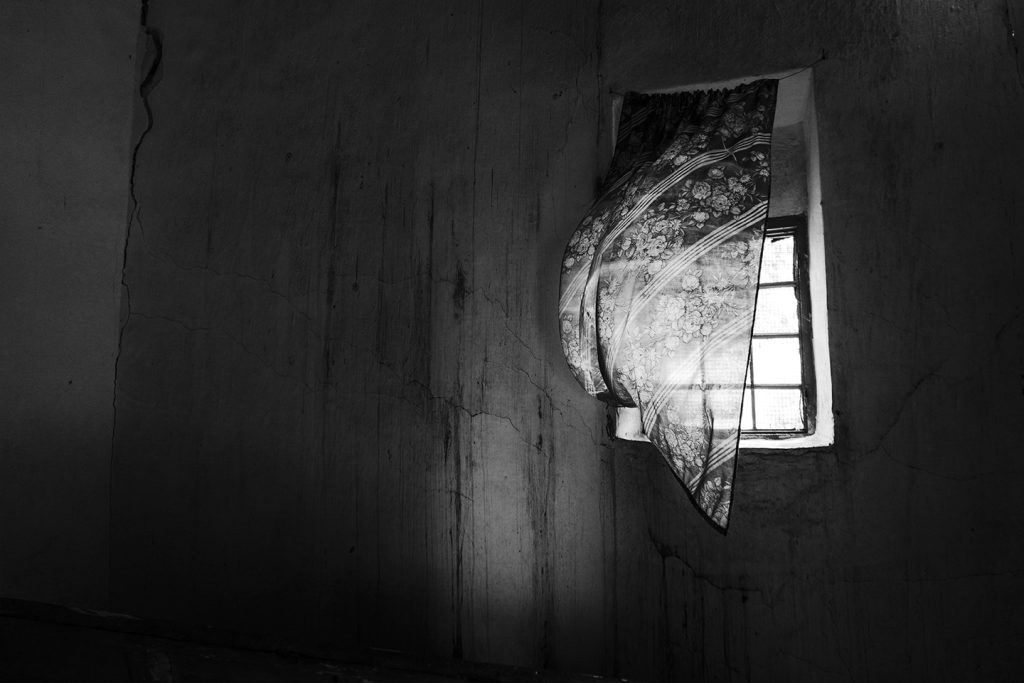
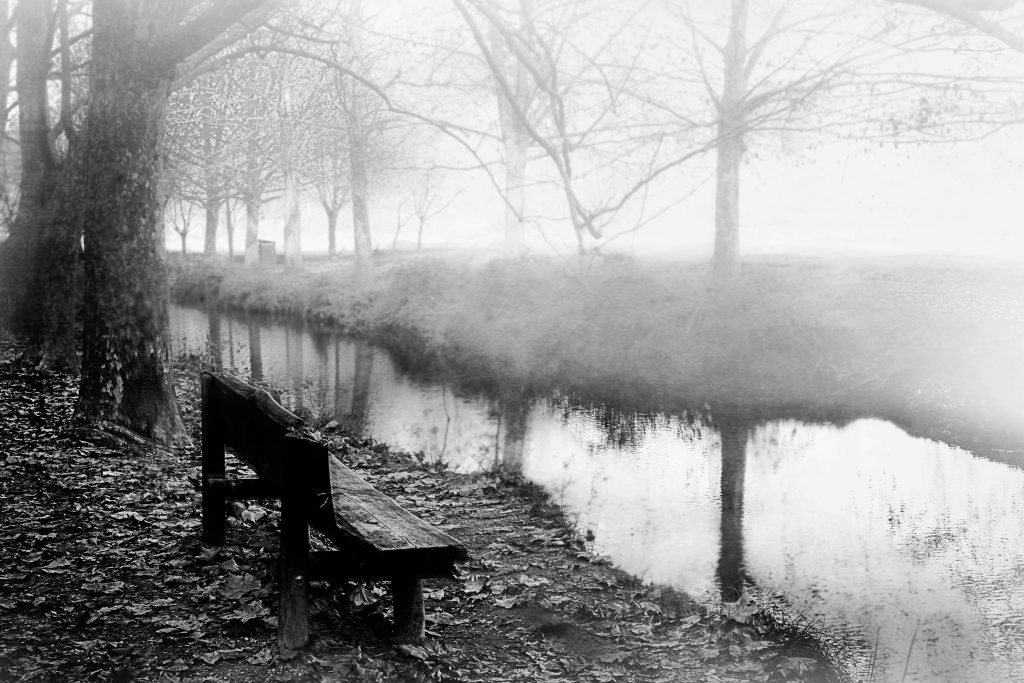
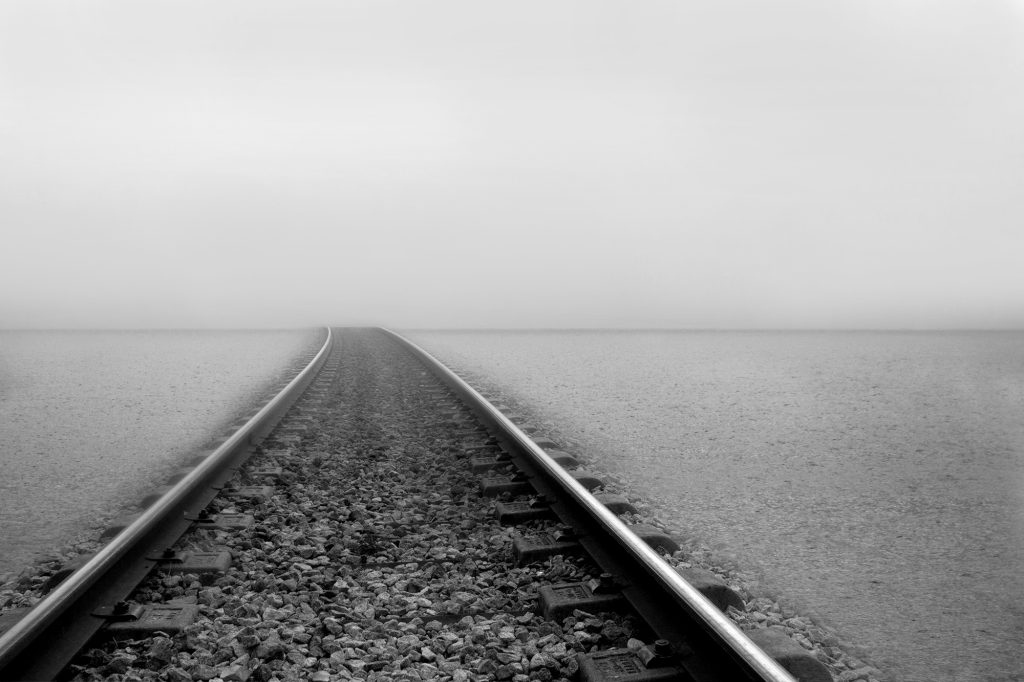
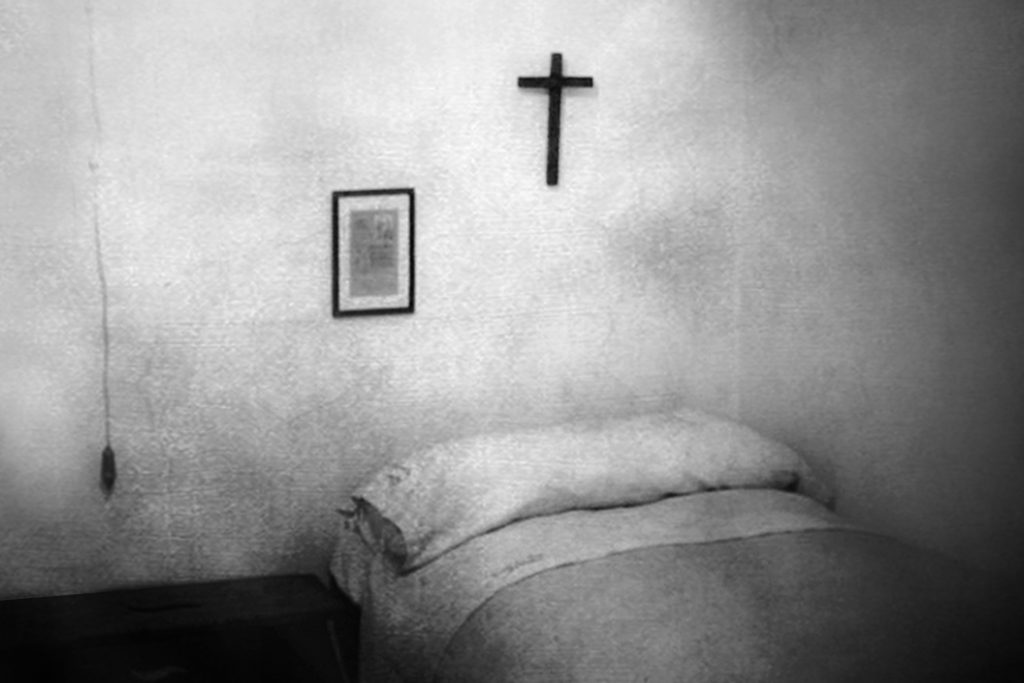
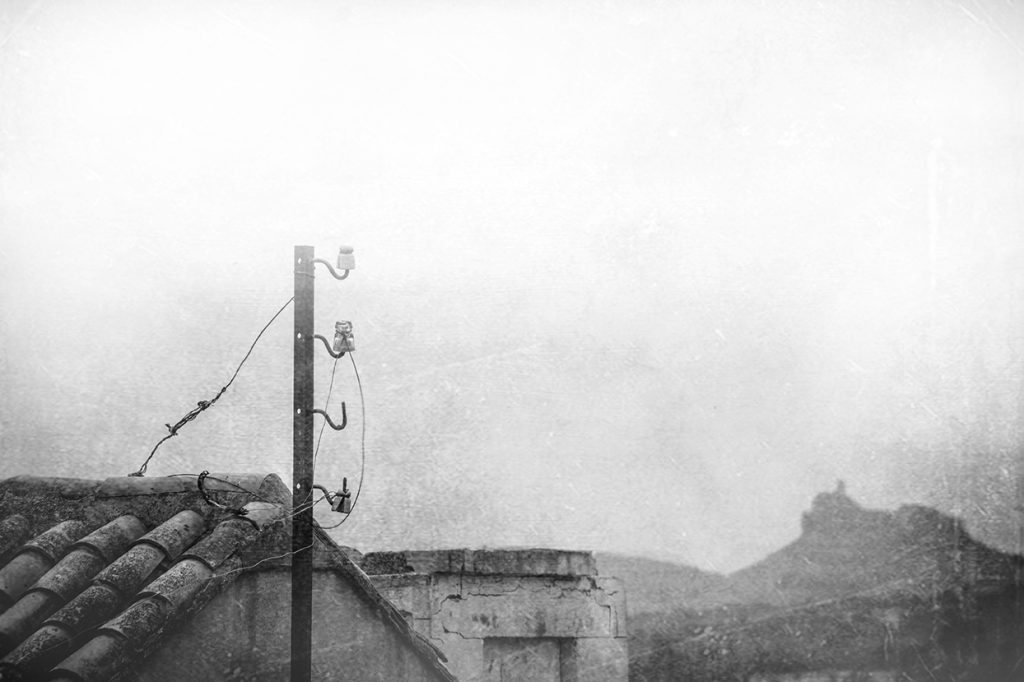
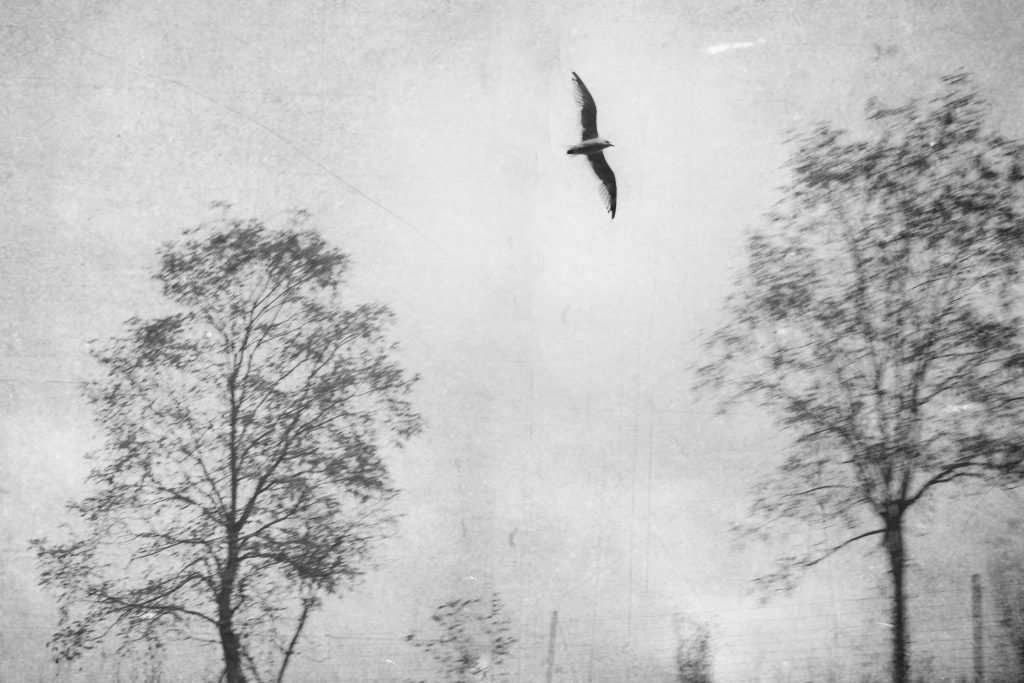
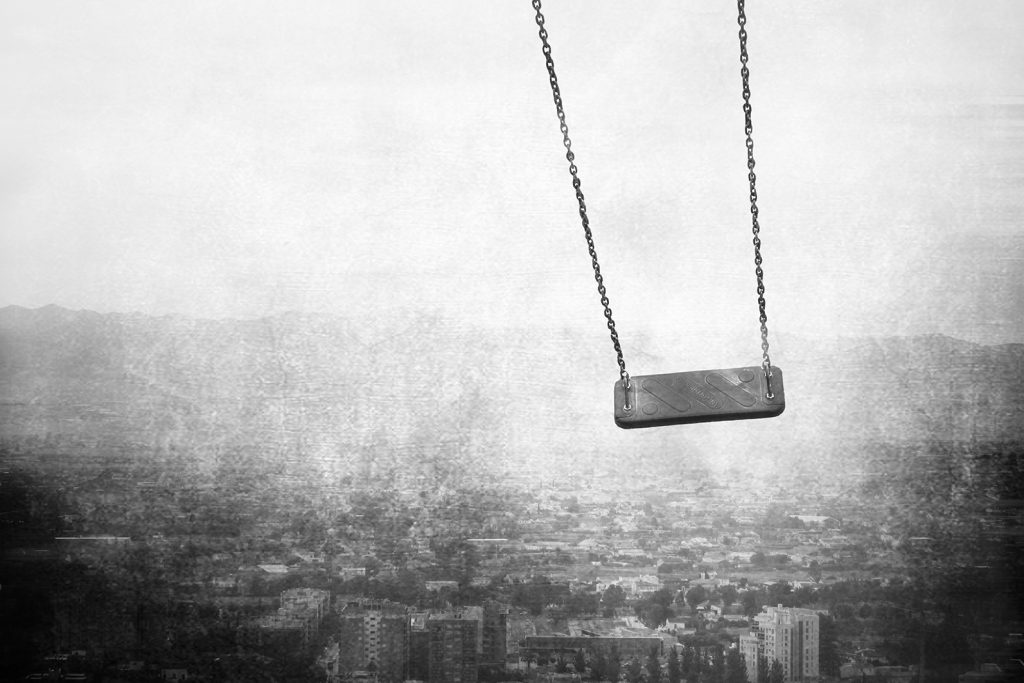
La fotografía, entendida como medio de representación y no como mero instrumento de registro, se define por su capacidad de proposición expresiva antes que por su fidelidad a lo real. La elección del blanco y negro radicaliza esa desviación: al suprimir el color, la imagen gana libertad interpretativa y redirige la atención hacia la forma, la luz y el contraste, propiciando una lectura bastante más reflexiva que descriptiva. En ese territorio se inscribe María Tudela, cuya obra se aleja del detalle para operar por insinuación y ambigüedad narrativa. Sus atmósferas, construidas con desenfoques selectivos y texturas, no remiten a un paisaje exterior que el espectador contemple con distancia, sino a un pliegue del propio ánimo: lo que se ofrece a la mirada es una proyección inevitable de una interioridad. Tudela manipula la imagen hasta lograr una apariencia de época, pero atemporal, evocadora y melancólica. En sus series, el silencio se torna en sugerencia, precisamente para la contemplación de, digamos, paisajes comunes, de uno mismo. Lejos del dramatismo del contraste por sí mismo, asoma aquí una luz escasa e imperfecta que acompaña el tránsito por la oscuridad y exige del espectador una conclusión propia.
Conversamos con ella a propósito de esto y más…
En fotografía se habla muy a menudo de cazadores de imágenes, así como de compositores de imágenes. Aunque la labor fotográfica no es, ni mucho menos, así de simple, cabría preguntarse hacia qué lado te inclinas: si fraguas un concepto sobre el cual fotografiar y editar, o si más bien, aunque a partir de ciertas nociones, tomas de la realidad material cuanto «te dice algo a ti».
Un poco de todo. Hubo un tiempo en que defendía la idea de convertir un pensamiento en fotografía, transgrediendo el paradigma principal de ella, y me refiero a fotografiar la realidad tal cual es. Por qué no ir más allá de hasta donde mi vista me lleve y, por tanto, por qué no ir hasta donde mi mirada me lleve. Hoy no hago las mismas imágenes que cuando empecé hace 15 años por una sencilla razón: no soy la misma.
Pero centrándome en la pregunta, a veces salgo ahí afuera al mundo con una idea preconcebida de un proyecto y busco imágenes de esos momentos que más llaman mi atención. Pero la mayoría de las veces no llevo una idea concreta, simplemente me dejo llevar por lo que el mundo pone ante mí, un poco a lo Cartier y su instante decisivo. Mis últimos trabajos rondan la idea del silencio narrativo en una imagen, lo que me provoca y lo que quiero transmitir; nunca llevo una idea de una foto precisa para tal objetivo, pero vuelvo a salir ahí afuera y enseguida encuentro esos momentos…
La elección del color, así como la renuncia a él, dicen de por sí bastante de una obra. En tu caso, ¿qué tan espontánea fue? ¿Qué motivos y razones determinan tu preferencia?
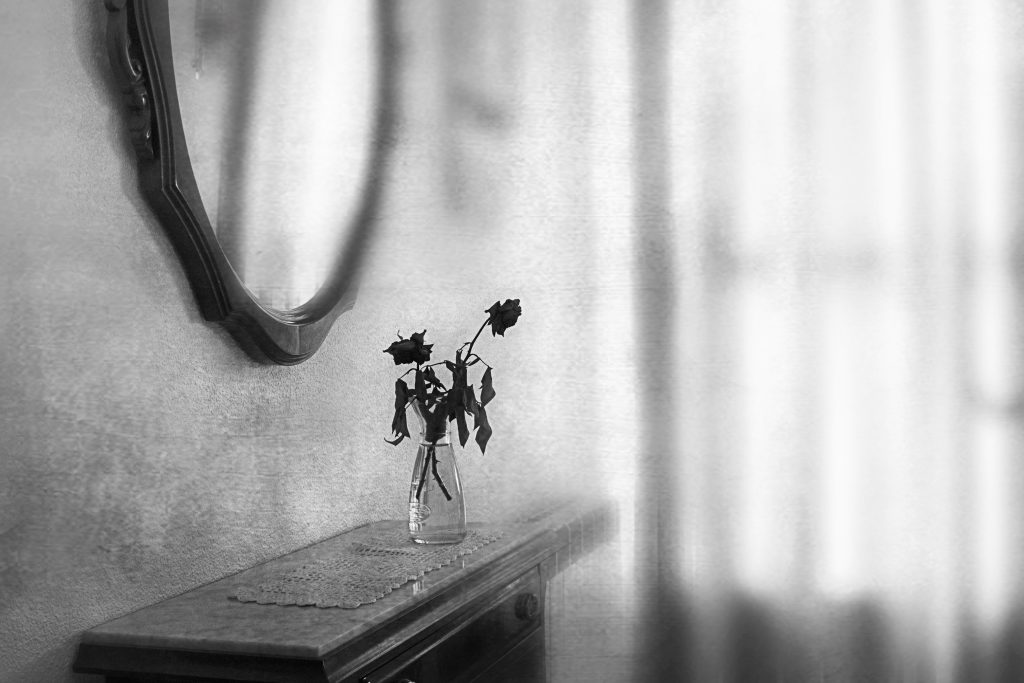
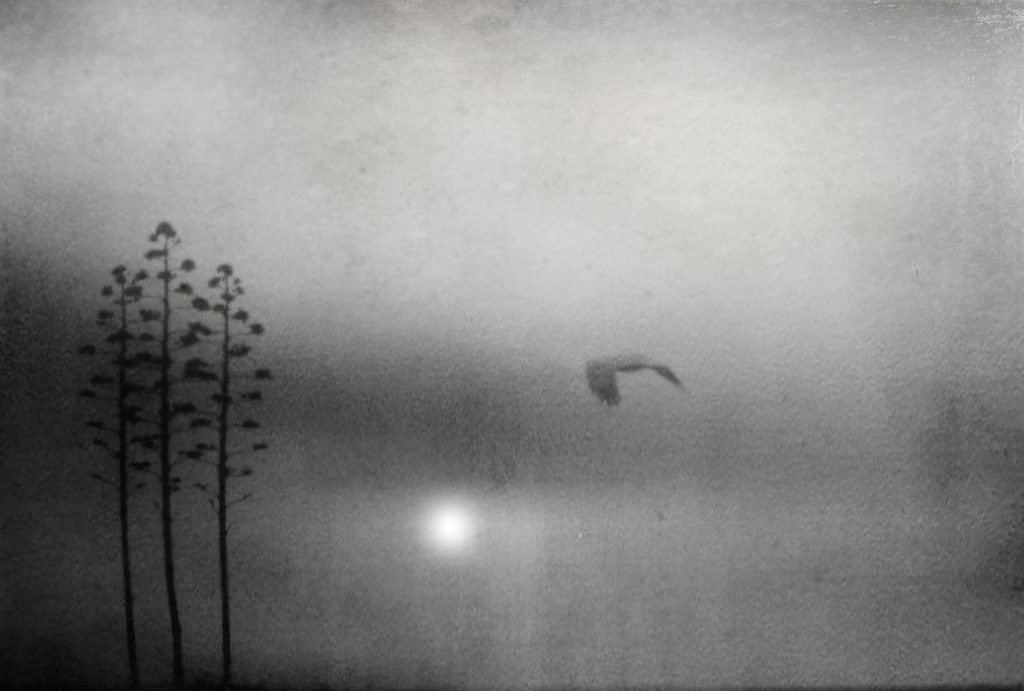
No sabría decir si fue espontánea, pero sí puedo añadir que fue desde el principio. El color es un detalle; mi obra se aleja de los detalles. Mi trabajo se basa en su mayoría en la insinuación; intento jugar con la ambigüedad lo suficiente para crear atmósferas sugerentes y, para ello, es imprescindible dejar elementos sin contar en una imagen. Pretendo que sea el observador quien finalice o desvele la fotografía, proyectando en ella su propia mirada y su mochila cognitiva.
La edición de la imagen representa una etapa especialmente importante de aproximación a cuanto uno ha de ver, finalmente, en la obra: la verdad que acaso revela. ¿Qué te planteas al respecto durante el trabajo? ¿Se trata principalmente de una acumulación o de una reducción de componentes hasta dar con cada cuadro? ¿Y cómo sabes cuándo detenerte?
La edición ha sido importante en mi trabajo desde el principio. No pretendo con ello cambiar o falsear la realidad, sino mostrarla de otra manera. Mis herramientas han sido siempre las mismas: desenfoques selectivos, el blanco y negro y el uso sutil de las texturas. Con ello he pretendido hacer de la misma imagen una foto más sugerente, más nostálgica, incluso que recuerde la fotografía antigua analógica con sus imperfecciones, y todo ello para provocar al espectador algún tipo de emoción.
¿Qué crees que ha cambiado en tu modo de trabajar desde tus inicios hasta la actualidad? ¿Cabría hablar de un progreso, una profundización o acaso de una agudización, entre otros términos?
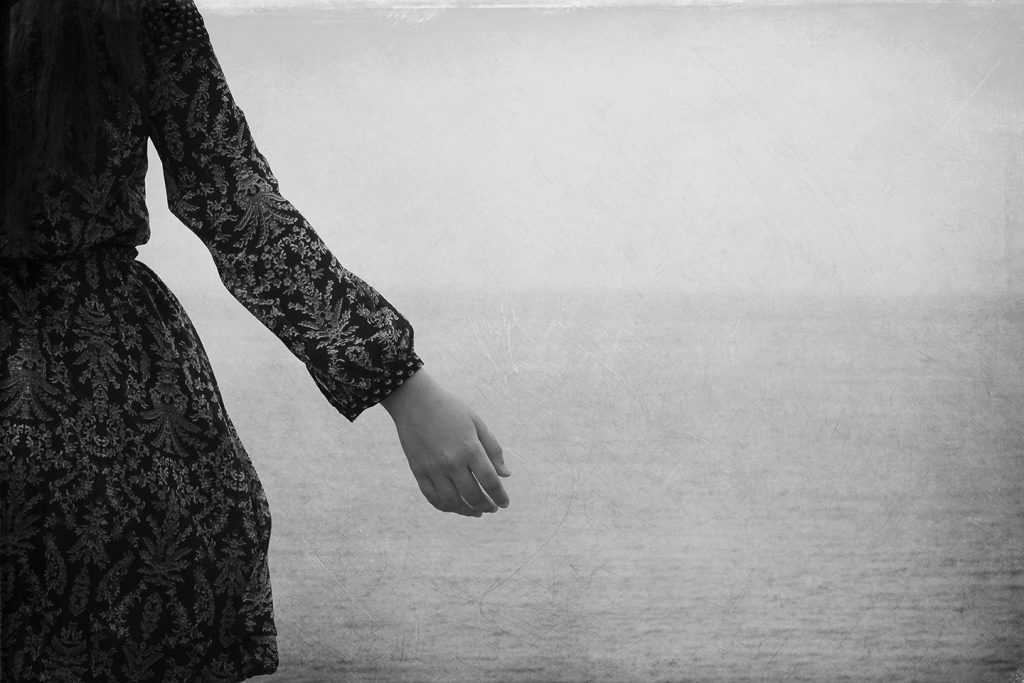
Detrás de una fotografía hay mucho más que lo que vemos; siempre he defendido la teoría de que en cada imagen que hacemos dejamos una parte de nosotros en ella. Incluso a veces, sin pretenderlo, al final resulta ser un medio para expresar nuestras frustraciones y miserias, y alguna que otra virtud. Cuando empecé, este tema me creó un gran dilema porque me resistía a plasmar información sobre mí en una imagen; menudo conflicto. Hasta que entendí que, si quiero que los espectadores sientan y hagan suyas mis fotos, es imprescindible estar presente en ellas.
Hoy no lo vivo así; prefiero pensar que he evolucionado, no que he cambiado. Muestra de ello es mi fotolibro «Oscuro», centrado en una parte de mi vida muy grisácea y, para desarrollarlo, ha sido necesario desnudarme por completo como autora, algo que habría sido imposible lograr en mis comienzos.
Y desde aquí os lanzo una pregunta: ¿creéis que como autores podemos controlar hasta dónde decir de nosotros en una imagen?
¿Qué sigue en el futuro?
De la fotografía lo que más saco es disfrutar. El día que hacer imágenes pese o no me aporte nada, ese día dejaré aparcadas las cámaras en algún rincón de un armario; mientras tanto, me sigue provocando una inmensa y agradable libertad de ser yo misma.
El futuro lo veo haciendo fotolibros; me encanta ese medio. Crear una historia mediante la secuencia de un grupo de fotos en medio de unas páginas de un libro me fascina. Pero también el diseño, la estética que ofrece, la ambigüedad narrativa… Todo es importante para facilitar que se desnude el autor, pero, sobre todo, para que el espectador saque sus propias conclusiones. A veces nos encontramos ante fotolibros tan ambiguos en su narrativa visual que no llegamos a entender el mensaje, pero en su conjunto nos vemos tan abstraídos y atrapados dentro de él que nos fascina lo que nos provoca. Eso es para mí un fotolibro.
(ENGLISH VERSION)
Externalization: A Conversation with María Tudela about Her Work
Translation by Tiffany Amber Elías Trimble
Photography, understood as a medium of representation and not as a mere instrument of recording, is defined by its capacity for expressive proposition rather than by its fidelity to the real. The choice of black and white radicalizes that deviation: by suppressing color, the image gains interpretive freedom and redirects attention toward form, light, and contrast, fostering a reading that is considerably more reflective than descriptive. It is in that territory that María Tudela is inscribed, whose work moves away from detail to operate by insinuation and narrative ambiguity. Her atmospheres, constructed with selective blurs and textures, do not refer to an exterior landscape that the viewer contemplates from a distance, but to a fold of one’s own mood: what is offered to the gaze is an inevitable projection of an interiority. Tudela manipulates the image until achieving an appearance of an era, yet timeless, evocative and melancholic. In her series, silence becomes suggestion, precisely for the contemplation of, let us say, common landscapes, of oneself. Far from the dramatism of contrast for its own sake, a scant and imperfect light emerges here that accompanies the transit through darkness and demands of the viewer a conclusion of their own.
We spoke with her on the occasion of…
In photography one very often speaks of image hunters, as well as image composers. Although photographic work is by no means that simple, one might ask which side you lean toward: whether you forge a concept on which to photograph and edit, or whether rather, although starting from certain notions, you take from material reality whatever «says something to you.»
A little of everything. There was a time when I defended the idea of turning a thought into photography, transgressing its principal paradigm, and I refer to photographing reality as it is. Why not go beyond where my sight takes me and, therefore, why not go as far as my gaze takes me. Today I do not make the same images as when I started 15 years ago for a simple reason: I am not the same.
But focusing on the question, sometimes I go out there into the world with a preconceived idea of a project and I look for images of those moments that most call my attention. But most of the time I do not carry a concrete idea, I simply let myself be carried by what the world places before me, a bit in the manner of Cartier and his decisive moment. My latest works circle the idea of narrative silence in an image, what provokes me and what I want to transmit; I never carry an idea of a precise photo for such an objective, but I go out there again and soon I find those moments…
The choice of color, as well as the renunciation of it, says quite a lot about a work in itself. In your case, how spontaneous was it? What motives and reasons determine your preference?
I would not know how to say if it was spontaneous, but I can add that it was so from the beginning. Color is a detail; my work moves away from details. My work is based mostly on insinuation; I try to play with ambiguity enough to create suggestive atmospheres and, for that, it is essential to leave elements untold in an image. I intend for it to be the observer who finishes or unveils the photograph, projecting onto it their own gaze and their cognitive backpack.
The editing of the image represents a particularly important stage of approximation to what one must finally see in the work: the truth that perhaps it reveals. What do you set out for yourself in this regard during the work? Is it mainly a matter of an accumulation or a reduction of components until finding each frame? And how do you know when to stop?
Editing has been important in my work from the beginning. I do not intend with it to change or falsify reality, but to show it in another way. My tools have always been the same: selective blurs, black and white, and the subtle use of textures. With them I have intended to make of the same image a more suggestive photo, more nostalgic, even one that recalls old analog photography with its imperfections, and all of it to provoke in the viewer some kind of emotion.
Things and animals, animated creatures, but before whoever sees, perhaps as elements that compose the atmosphere of the places you choose. Who or what actually inhabits that world of yours, apart from yourself?
Everything, absolutely everything that surrounds me. I remind you that we see with a camera just as we are. Our photographic gaze is nothing other than a reflection of ourselves. Why I choose one atmosphere and not another for my works undoubtedly has to do with my way of being, of thinking, of feeling, of seeing the world, of understanding it or, simply, of not understanding it… Thus our gaze is forged.
What do you think has changed in your way of working from your beginnings to the present? Would it be fitting to speak of a progress, a deepening, or perhaps a sharpening, among other terms?
Behind a photograph there is much more than what we see; I have always defended the theory that in each image we make we leave a part of ourselves in it. Even sometimes, without intending to, in the end it turns out to be a means of expressing our frustrations and miseries, and some virtue or other. When I started, this topic created a great dilemma for me because I resisted capturing information about myself in an image; what a conflict. Until I understood that, if I want viewers to feel and make my photos their own, it is essential to be present in them.
Today I do not live it that way; I prefer to think that I have evolved, not that I have changed. Proof of this is my photobook «Oscuro,» centered on a very grayish part of my life and, to develop it, it was necessary to strip myself completely bare as an author, something that would have been impossible to achieve at my beginnings.
And from here I throw out a question to you: do you believe that as authors we can control how far we say about ourselves in an image?
What follows in the future?
What I get most out of photography is enjoyment. The day that making images weighs on me or brings me nothing, that day I will park the cameras in some corner of a closet; in the meantime, it still provokes in me an immense and pleasant freedom to be myself.
I see the future making photobooks; I love that medium. Creating a story through the sequence of a group of photos amid the pages of a book fascinates me. But also the design, the aesthetics it offers, the narrative ambiguity… Everything is important to facilitate the author stripping bare, but, above all, for the viewer to draw their own conclusions. Sometimes we find ourselves before photobooks so ambiguous in their visual narrative that we do not come to understand the message, but as a whole we find ourselves so absorbed and caught within it that what it provokes in us fascinates us. That is, for me, a photobook.