
Clamor en claroscuro: Conversación con Antonio Toste
Con Juan Pablo Torres Muñiz
La mujer como núcleo de inspiración poética y visual constituye una constante en la tradición occidental, sobre todo. Desde la poética mitológica que expone Robert Graves en La Diosa Blanca, por ejemplo, hasta las reflexiones de teóricos del arte y la estética, la figura femenina se ha erigido como el referente primordial de lo sagrado telúrico, la fuente de la creación y el misterio de lo orgánico. Esta tendencia, sin embargo, ha oscilado entre dos polos interpretativos: convertirla en símbolo de una oscuridad luminosa —el arcano que revela—, o en su reverso, la claridad que encierra un enigma. En ambos casos, se la concibe como matriz simultánea de vida y de interrogación, como aquello que, al mostrarse, preserva un secreto constitutivo.
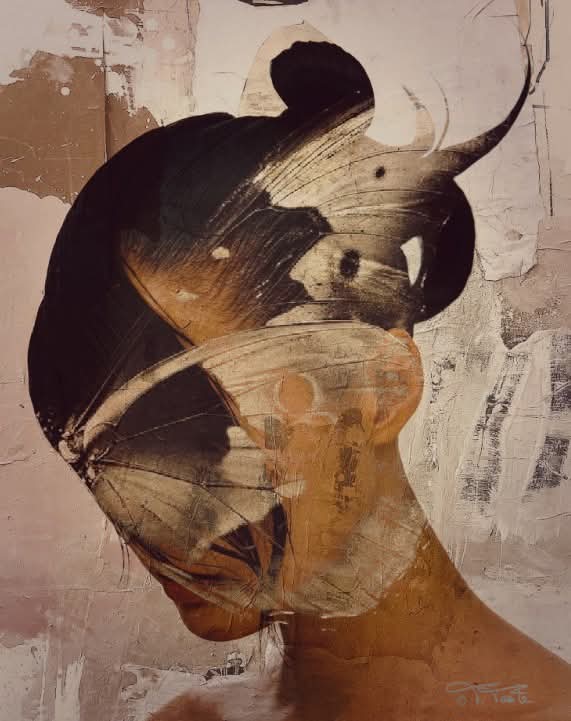
En este linaje de representación, Antonio Toste inserta una voz propia. Su intervención parece guiada por un instinto certero, nutrido tanto de la iconografía clásica que nos envuelve —desde la pintura renacentista hasta la fotografía moderna— como de un concepto de génesis femenina reformulado. Para Toste, la mujer no opera únicamente como respuesta a una necesidad alegórica heredada, sino como fuente en sí misma de nuevos cuestionamientos. Lejos de limitarse a sugerir o dejar a medio camino una configuración ambigua, Toste procura establecer coordenadas de interpretación claras y primordiales. En sus imágenes el misterio no se agota en lo sugerido; se formaliza, se hace materia digital, y desde ella exige al espectador una mirada que complete —o al menos contemple— el ciclo de su propia génesis.
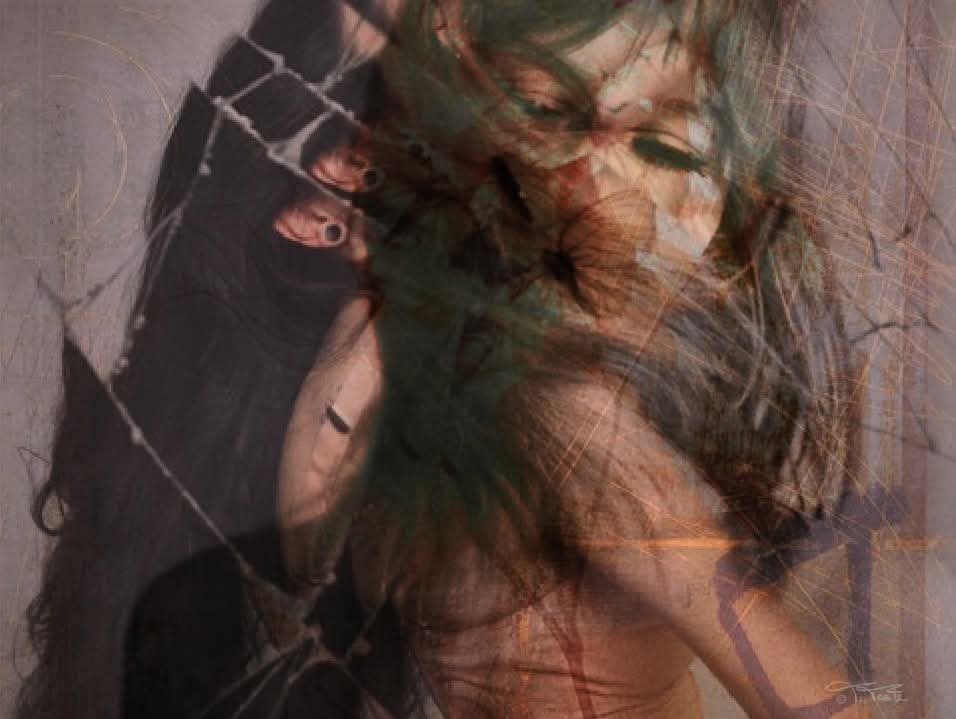
Antonio —Tony—, que se define como un artista digital de medios mixtos autodidacta cuyo trabajo es impulsado por la intuición, la emoción y una fascinación con la transformación, nos acoge entre sus imágenes…
No creo para la perfección o la teoría. Creo para el sentimiento. Si alguien mira una de mis obras y se detiene, si percibe una historia, un recuerdo o un misterio silencioso, entonces la imagen ha cumplido su propósito.
La mujer no solo es el centro de tu trabajo, sino que también es claramente un símbolo y una puerta temática. ¿Cómo surgió este enfoque en ella? ¿Desde cuándo y cómo ha evolucionado?
Mi enfoque en las mujeres surgió muy naturalmente. Las mujeres portan una mezcla única de fuerza, emoción y misterio que siempre me ha fascinado. La figura femenina me permite expresar suavidad e intensidad al mismo tiempo. A lo largo de los años, este enfoque evolucionó de simplemente retratar mujeres a entenderlas como símbolos: puertas emocionales que me permiten comunicar atmósfera y narrativa sin palabras.
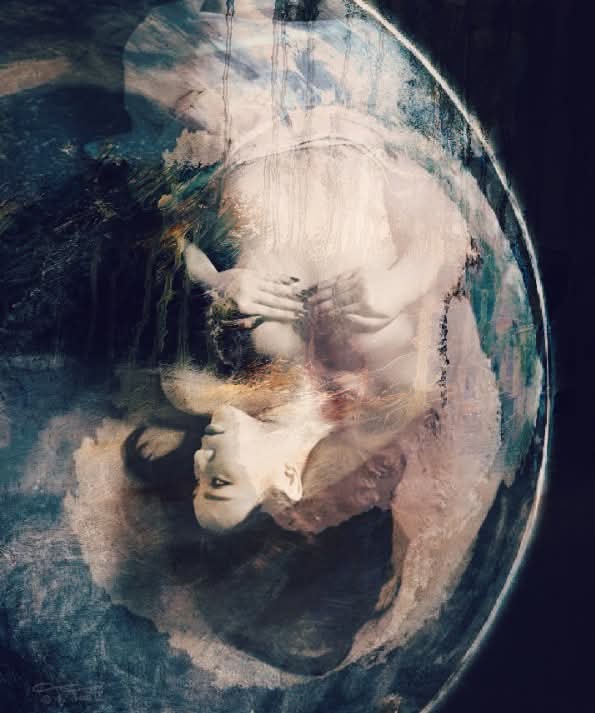
¿Qué determinó tu elección artística —es decir, la decisión de trabajar con fotografía y, además, intervenirla como lo haces?
La fotografía me da una base sólida sobre la cual construir. Dado que mi arte es digital de medios mixtos, trabajar con fotografías me permite llevar una imagen a un territorio emocional completamente nuevo. Me encanta transformar una foto en algo que no existía antes: algo más onírico, atmosférico o introspectivo. Para mí, la fotografía es el comienzo, no el destino.
¿Cómo eliges qué representar y qué añadir después?
Empiezo con una imagen que me habla al instante. A veces es la pose, a veces la expresión, a veces solo un sentimiento. A partir de ese momento, trabajo intuitivamente. Añado elementos basados en la emoción, no en reglas. Si algo agrega profundidad, significado o una sensación de misterio, sigo esa dirección. La obra de arte crece orgánicamente: ella me dice lo que quiere.
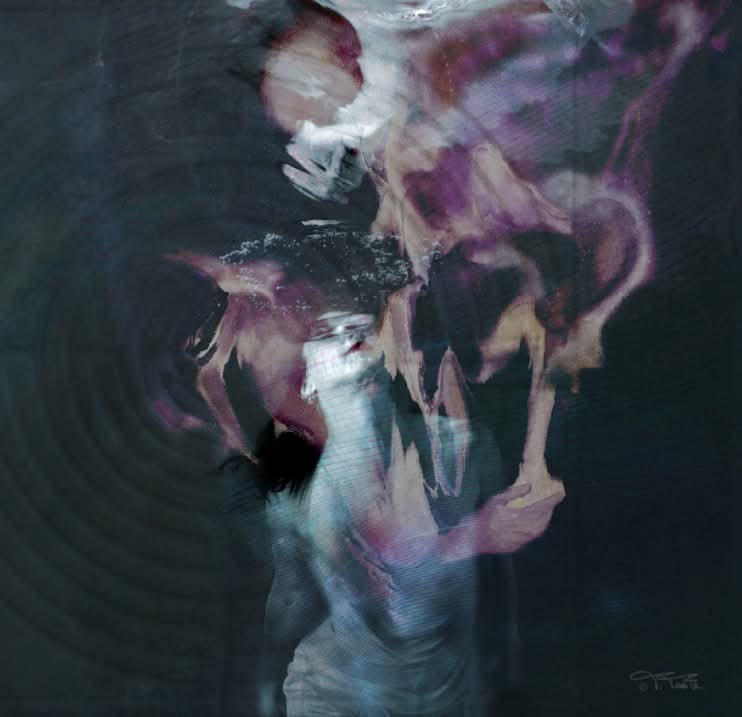
La luz y la sombra a menudo exponen una revelación desde la oscuridad o a través de un velo —misterio… ¿Acaso alguno de estos elementos tiene más peso que el otro en tu concepción?
La sombra es usualmente mi punto de partida. Crea misterio y espacio para la imaginación. La luz se convierte entonces en el elemento que revela lo que necesita ser visto. Pienso en la sombra y la luz como socias: una oculta, otra revela; y el equilibrio entre ellas crea la atmósfera que estoy buscando.
Mi arte vive en el espacio entre la sombra y la luz. La sombra me permite ocultar, proteger u oscurecer; la luz revela, suaviza o expone la emoción. Crear en la tensión entre ambas se siente como trabajar dentro de un sueño: equilibrar lo que se ve con lo que solo se siente.
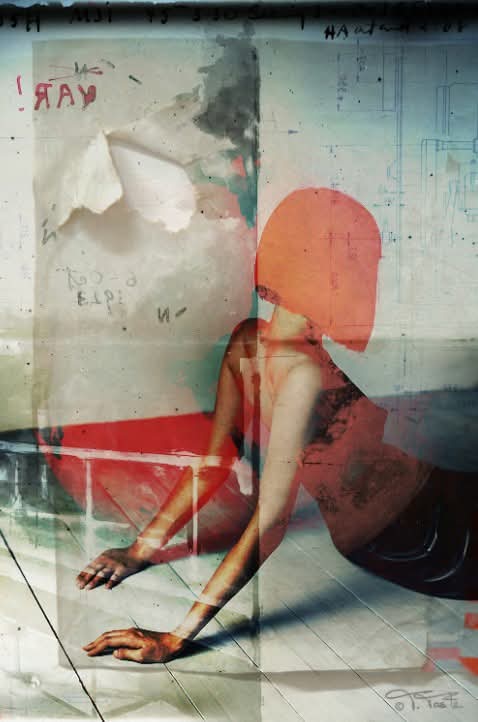
¿Qué artes, más allá de la fotografía, te acompañan en tu proceso creativo?
La música me influye profundamente, especialmente la música atmosférica o emocional que moldea mi estado de ánimo mientras trabajo. El cine también es una gran inspiración, especialmente las películas visualmente ricas con una narrativa poderosa. Y mi experiencia como estilista se queda conmigo: siempre pienso en términos de textura, movimiento, equilibrio y transformación.
¿Qué esperas que produzca tu trabajo en términos de crítica —si la has considerado— o en términos de apreciación inteligente en general?
Espero que mi trabajo haga que la gente sienta algo antes que cualquier otra cosa. No creo con una crítica o mensaje específico en mente. Creo para evocar emoción, curiosidad y un sentido de conexión. Si alguien mira una de mis obras y se detiene, incluso por un momento, para sentir la atmósfera o preguntarse sobre la historia detrás de ella, entonces considero que la pieza es exitosa.
Y sigue el enigma…
ENGLISH (ORIGINAL) VERSION
A Cry in Chiaroscuro: A Conversation with Antonio Toste about His Work
Transaltion by Rebeca Sanz
The woman as the nucleus of poetic and visual inspiration constitutes a constant in Western tradition, above all. From the mythological poetics expounded by Robert Graves in The White Goddess, for example, to the reflections of art and aesthetic theorists, the female figure has been erected as the primordial referent of the telluric sacred, the source of creation and the mystery of the organic. This tendency, however, has oscillated between two interpretative poles: transforming her into a symbol of a luminous darkness—the arcane that reveals—or, conversely, the clarity that harbors an enigma. In both cases, she is conceived as a simultaneous matrix of life and interrogation, as that which, while revealing itself, preserves a constitutive secret.
Within this lineage of representation, Antonio Toste inserts a distinct voice. His intervention appears guided by a sure instinct, nourished both by the classical iconography that surrounds us—from Renaissance painting to modern photography—and by a reformulated concept of feminine genesis. For Toste, woman does not operate merely as a response to an inherited allegorical need, but as a source in herself of new questioning. Far from limiting himself to merely suggesting or leaving an ambiguous configuration half-finished, Toste strives to establish clear and primordial coordinates of interpretation. In his images, mystery is not exhausted in suggestion; it is formalized, becomes digital matter, and from this matter demands from the viewer a gaze that completes—or at least contemplates—the cycle of its own genesis.
Antonio—Tony—, who defines himself as a self-taught mixed-media digital artist whose work is driven by intuition, emotion, and a fascination with transformation, welcomes us among his images…
I don’t create for perfection or theory. I create for feeling. If someone looks at one of my pieces and pauses — if they sense a story, a memory, or a quiet mystery — then the image has fulfilled its purpose.
The woman is not only the center of your work but clearly also a symbol and thematic gateway. How did this focus on her emerge? Since when, and how has it evolved?
My focus on women emerged very naturally. Women carry a unique mix of strength, emotion, and mystery that has always fascinated me. The female figure allows me to express softness and intensity at the same time. Over the years, this focus evolved from simply portraying women to understanding them as symbols — emotional gateways that let me communicate atmosphere and storytelling without words.
What determined your artistic choice—that is, the decision to work with photography and, moreover, to intervene in it as you do?
Photography gives me a strong base to build on. Since my art is mixed-media digital, working with photographs allows me to push an image into completely new emotional territory. I love transforming a picture into something that didn’t exist before — something more dreamlike, atmospheric, or introspective. To me, the photograph is the beginning, not the destination.
How do you choose what to represent and what to add afterward?
I start with an image that speaks to me instantly. Sometimes it’s the pose, sometimes the expression, sometimes just a feeling. From that moment on, I work intuitively. I add elements based on emotion, not rules. If something adds depth, meaning, or a sense of mystery, I follow that direction. The artwork grows organically — it tells me what it wants.
Light and shadow often expose a revelation from darkness or through a veil—mystery… Does either of these elements carry more weight than the other in your conception?
Shadow is usually my starting point. It creates mystery and room for imagination. Light then becomes the element that reveals what needs to be seen. I think of shadow and light as partners — one hides, one reveals — and the balance between them creates the atmosphere I’m searching for.
My art lives in the space between shadow and light. Shadow allows me to hide, protect, or obscure; light reveals, softens, or exposes emotion. Creating in the tension between the two feels like working inside a dream — balancing what is seen with what is only felt.
Which arts, beyond photography, accompany you in your creative process?
Music influences me deeply, especially atmospheric or emotional music that shapes my mood while I work. Cinema is also a big inspiration, especially visually rich films with strong storytelling. And my experience as a hairstylist stays with me — I’m always thinking in terms of texture, movement, balance, and transformation.
What do you hope your work produces in terms of critique—if you have considered it—or in terms of intelligent appreciation in general?
I hope my work makes people feel something before anything else. I’m not creating with a specific critique or message in mind. I create to evoke emotion, curiosity, and a sense of connection. If someone looks at one of my pieces and pauses — even for a moment — to feel the atmosphere or wonder about the story behind it, then I consider the piece successful.
And the enigma persist…